Zakopane Weather Guide by Month: When to Visit in 2026

"Should I visit Zakopane in July or September?" "Will it be too cold for my kids in October?" "Do I need winter clothes in June?" These are the questions I get asked most often by Arab families planning their first trip to Zakopane.
As someone from the UAE who's now visited Zakopane in every season - from -15°C January blizzards to +28°C August heatwaves - I'm going to give you the complete, no-nonsense weather breakdown you need to plan your trip.
Zakopane's mountain climate is dramatically different from the Gulf. There are four distinct seasons, unpredictable mountain weather patterns, and significant temperature variations between day and night. But don't worry - with the right information and packing strategy, any season can offer an amazing experience.
Understanding Zakopane's Climate
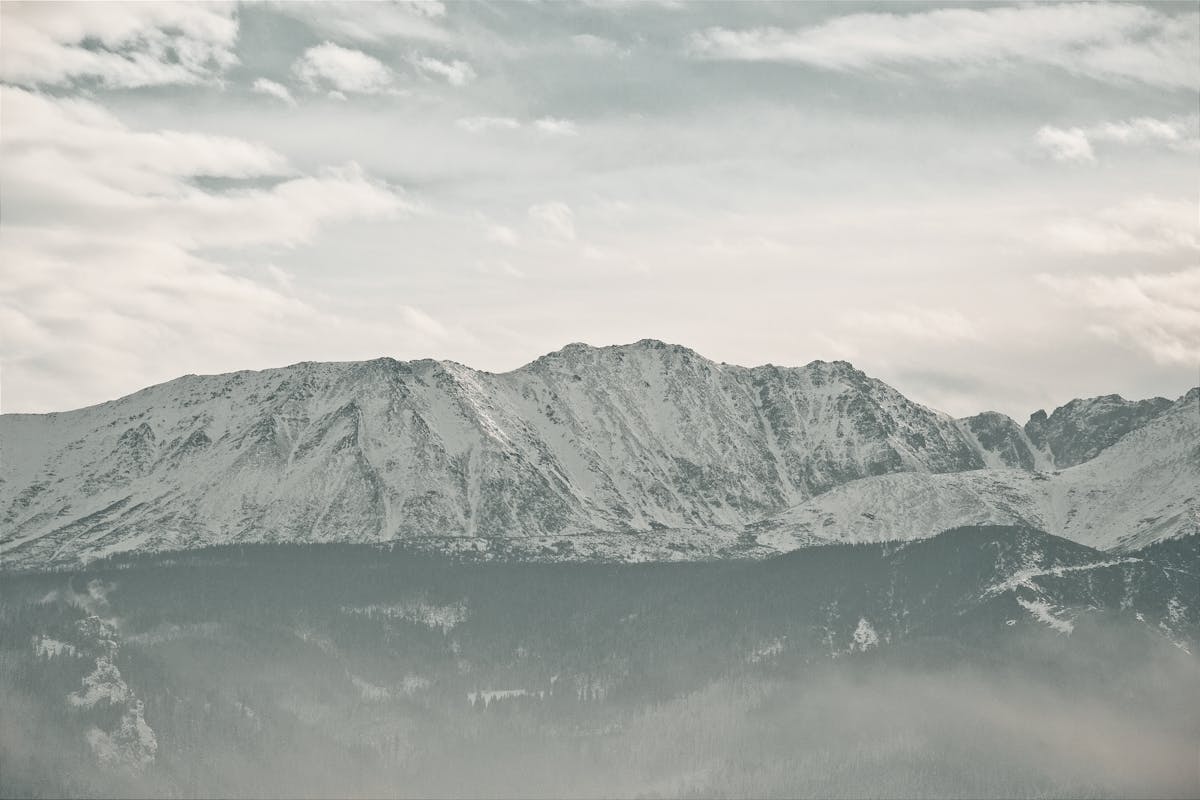
Zakopane sits at 800-1,000 meters elevation at the base of the Tatra Mountains, which creates a unique microclimate:
- Continental Mountain Climate: Cold winters, mild summers, and distinct spring/autumn seasons
- Altitude Effect: Temperatures drop about 6°C for every 1,000 meters elevation gain. What's warm in town can be cold on mountain peaks.
- Rapid Weather Changes: Mountain weather can shift in hours. Sunny mornings turn into afternoon thunderstorms.
- High UV Index: Thin mountain air means stronger sun. Even on cool days, sunburn is possible.
- Lower Humidity: Drier air than Gulf countries but more humid than desert climates
Now, let's break down each month in detail so you can plan perfectly:
Month-by-Month Weather Breakdown
January - Peak Winter
What It's Really Like: January is COLD - the coldest month of the year. Temperatures regularly drop below -10°C at night and hover around -5°C during the day. Heavy snowfall is common, and the entire town is blanketed in white.
Pros: Perfect ski conditions, magical winter scenery, cozy mountain atmosphere, winter sports paradise
Cons: Extremely cold for those from warm climates, short daylight hours (sunrise 7:30 AM, sunset 4 PM), expensive due to peak ski season, very crowded with European tourists
Best For: Experienced winter travelers, ski enthusiasts, those wanting to experience "real" winter. NOT recommended for families with young children or first-time visitors from hot climates.
What to Pack: Heavy winter coat, thermal underwear, insulated boots, gloves, wool hat, scarf, hand/foot warmers. For sisters: winter-appropriate hijabs (wool or fleece), thermal leggings under skirts.
February - Late Winter
What It's Really Like: Similar to January but slightly warmer and sunnier. Days start getting noticeably longer. Still full winter with guaranteed snow.
Pros: Still excellent skiing, more sunny days than January, beginning of spring sunshine (stronger UV), Valentine's Day romantic atmosphere
Cons: Still very cold, expensive, crowded (especially during winter school holidays in Europe mid-February)
Best For: Winter sports lovers who want slightly milder conditions than January
March - Transition Month
What It's Really Like: March is unpredictable - the battle between winter and spring. Some days feel like winter (snow, -5°C), others like early spring (sunshine, +10°C). Snow melts at lower elevations but remains at altitude.
Pros: Longer days, warming temperatures, fewer crowds, lower prices than peak winter, you might catch both snow and spring blooms
Cons: Highly unpredictable weather, slushy snow (not ideal for skiing), muddy trails (not good for hiking), brown landscapes (not photogenic)
Best For: Budget travelers willing to gamble on weather. Not ideal for families.
What to Pack: Layers! Winter coat, fleece, rain jacket, waterproof boots. Be prepared for anything.
April - Early Spring
What It's Really Like: True spring arrives. Snow melts completely in town (though mountains still have patches). Trees begin budding, flowers bloom, and nature wakes up. Frequent rain showers.
Pros: Low prices (off-season), nature coming alive, very few tourists, pleasant hiking weather (not too hot)
Cons: Rainy (wettest month after May), muddy trails, some mountain routes still closed due to snow/avalanche risk, nights are still cold (near 0°C)
Best For: Nature lovers who don't mind rain, photographers interested in spring blooms, budget-conscious travelers
May - Beautiful Spring
What It's Really Like: May is stunning but wet. Mountain meadows burst with wildflowers, forests are lush green, and waterfalls are at their most powerful. However, it's the rainiest month of the year.
Pros: Beautiful green landscapes, wildflowers everywhere, comfortable temperatures, very long daylight hours (great for prayer timing), low tourist numbers
Cons: Frequent rain (bring umbrella!), afternoon thunderstorms common, some trails muddy, unpredictable weather patterns
Best For: Nature photographers, hikers who don't mind rain gear, travelers who want beautiful scenery without crowds
What to Pack: Waterproof jacket, rain pants, waterproof hiking boots, layers (mornings are cool, afternoons warm), umbrella, sunscreen
June - Early Summer ⭐ RECOMMENDED
What It's Really Like: June is one of my top recommendations. Warm days (18-22°C typical), cool evenings, long daylight hours, all mountain trails open, and crowds haven't arrived yet. This is the sweet spot.
Pros: Excellent weather for hiking, all trails accessible, comfortable temperatures (not too hot), beautiful mountain meadows, long days (sunrise 4:45 AM, sunset 9 PM), moderate crowds, reasonable prices
Cons: Occasional afternoon thunderstorms (bring jacket), evenings can be chilly (10-12°C), prices start increasing toward end of month
Best For: Families with children, first-time visitors, hikers, anyone wanting the best balance of weather, activities, and manageable tourist numbers
July - Peak Summer
What It's Really Like: July is the warmest month with occasional days reaching 25-28°C in town. It's also the busiest month of the year - European summer holidays bring massive crowds.
Pros: Warmest weather, all activities available, long days, reliable sunshine, swimming possible in local pools/lakes, great for families who need guaranteed warm weather
Cons: VERY crowded (especially popular trails like Morskie Oko), highest prices of the year, booking accommodation is difficult, parking at trailheads fills early (7 AM), afternoon thunderstorms frequent, some trails feel like highways
Best For: Those who must travel in July due to school holidays and don't mind crowds. Book 2-3 months in advance!
August - Late Summer
What It's Really Like: Similar to July but slightly cooler and rainier. Still peak season with high tourist numbers.
Pros: Warm weather, all facilities open, beginning of blackberry season (wild berries on trails!), still long days
Cons: Still very crowded, expensive, afternoon thunderstorms more frequent than July, end of month sees temperatures dropping noticeably
Best For: Similar to July - those bound by summer vacation schedules
September - Early Autumn ⭐ RECOMMENDED
What It's Really Like: September is my other top pick (along with June). Crowds disappear after Labor Day, weather remains pleasant, and early autumn colors begin appearing. Days are still warm (15-18°C typical) but evenings are crisp.
Pros: Fewer tourists, lower prices, stable weather, beautiful early autumn colors (especially late September), comfortable hiking temperatures, mushroom season (locals hunt for forest mushrooms - it's fascinating!)
Cons: Days getting shorter, nights can be cold (5-7°C), some facilities start reducing hours or closing, afternoon thunderstorms still possible (but less than summer)
Best For: Travelers seeking peaceful experiences, photographers wanting autumn colors, anyone who dislikes crowds, families with flexible school schedules
October - Mid Autumn
What It's Really Like: October is beautiful but cold, especially in the second half. Peak autumn colors occur early October. First snow can appear on mountain peaks by mid-month. Nights near freezing.
Pros: Stunning autumn colors (golden larches, orange beeches), very few tourists, cheap accommodation, cozy mountain atmosphere, clear mountain views (less haze than summer)
Cons: Cold (especially morning/evening), many restaurants and hotels close for off-season, short daylight hours, unpredictable weather (snow possible), some mountain trails close by late October
Best For: Photographers (peak autumn colors!), experienced cold-weather travelers, those seeking solitude
November - Late Autumn
What It's Really Like: November is the transition to winter - cold, grey, and often gloomy. Not enough snow for skiing yet, too cold for comfortable hiking. This is Poland's "grey season."
Pros: Cheapest month of the year, zero crowds, authentic local experience (no tourists), good for indoor cultural activities
Cons: Depressing weather (grey, foggy, drizzly), many businesses closed, very short days, cold and damp (feels colder than actual temperature), poor visibility in mountains, not photogenic
Best For: Budget travelers who don't care about weather, digital nomads looking for cheap long-term stays. NOT recommended for vacation travelers.
December - Early Winter
What It's Really Like: December transforms Zakopane into a winter wonderland. Snow usually arrives by mid-December, ski slopes open, and Christmas markets fill Krupówki Street with festive atmosphere.
Pros: Magical Christmas atmosphere, snow-covered landscapes, ski season begins, festive markets, cozy mountain lodges, unique cultural experience
Cons: Very cold (especially late December), very short days (sunset by 3:30 PM), expensive during Christmas/New Year's week, crowds during holidays, booking difficult for late December
Best For: Winter sports enthusiasts, those wanting Christmas markets and winter atmosphere (though keep in mind these are Christian celebrations)
Quick Reference: Best Months for Different Priorities
| If You Want... | Best Months | Why |
|---|---|---|
| Best Overall Weather | June, September | Comfortable temps, stable weather, all trails open |
| Fewest Crowds | May, September, October | Shoulder season - tourists stay home |
| Cheapest Prices | November, April | Off-season discounts up to 60% off |
| Best Hiking | June, Early September | Perfect temps, all trails accessible, long daylight |
| Winter Sports (Skiing) | January, February, December | Reliable snow, full ski facilities operating |
| Photography | October (autumn), June (wildflowers), December (winter) | Most photogenic seasons with dramatic colors |
| Family with Young Kids | June, Early July | Warm but not crowded, safe weather, long days |
| Long Daylight for Prayer Timing | May, June, July | 15-16 hours of daylight makes prayer scheduling easier |
Special Considerations for Muslim Travelers
Prayer Times by Season
Zakopane's northern latitude (49°N) means prayer times vary dramatically by season:
- Summer (June): Fajr at 3:30 AM (very early!), Maghrib at 9 PM (very late!). Long days = more daylight activities but requires discipline for Fajr.
- Winter (December): Fajr at 6:30 AM, Maghrib at 3:30 PM. Shorter days = less sightseeing time but easier to maintain all prayers.
- Spring/Autumn: Moderate prayer times, most balanced for vacation scheduling.
Modest Clothing & Hijab Comfort by Season
- Summer (June-August): Temperatures of 15-23°C make hijabs and modest clothing very comfortable. It's NOT hot like Gulf summers. Sports hijabs work great for hiking. Lightweight long-sleeve shirts and comfortable pants are perfect.
- Winter (Dec-Feb): Hijabs layer well under winter hats. Thermal wear under modest clothing keeps you warm. Many Muslim visitors actually find winter easier because bulky winter clothing naturally provides coverage.
- Spring/Autumn: Layering is key. Bring versatile pieces you can add/remove as temperatures fluctuate.
Halal Food Availability by Season
Turkish and Middle Eastern restaurants (the main halal options) stay open year-round, but hours may reduce in low season (November, April). Always check before assuming a restaurant is open, especially off-season.
Packing Essentials by Season
Summer (June-August)
- Light long-sleeve shirts (for sun protection + modesty)
- Comfortable hiking pants or modest skirts with leggings
- Sports hijabs or breathable head coverings
- Waterproof jacket (for afternoon thunderstorms)
- Fleece or light sweater (for cool evenings)
- Hiking boots or sturdy walking shoes
- Sunscreen SPF 30+ (mountain sun is strong!)
- Sunglasses and hat
- Portable prayer mat
Winter (December-February)
- Heavy insulated winter coat (rated to -15°C minimum)
- Thermal underwear (top & bottom)
- Insulated waterproof boots
- Warm winter hat (can layer hijab underneath)
- Insulated gloves or mittens
- Wool or fleece scarf
- Hand warmers and foot warmers (lifesavers!)
- Lip balm (mountain air is very drying)
- For sisters: thermal hijabs, fleece-lined head coverings
Spring/Autumn (April-May, Sept-Oct)
- Layering system: base layer + fleece + waterproof jacket
- Waterproof hiking boots
- Rain jacket and rain pants
- Warm hat and light gloves
- Umbrella
- Quick-dry clothing (in case you get wet)
Frequently Asked Questions
What is the best month to visit Zakopane?
For most Muslim families, June and September are ideal. June offers warm weather (15-20°C), long daylight hours for prayer scheduling, and blooming mountain meadows. September has fewer crowds, stable weather, and beautiful early autumn colors. Avoid July-August if you dislike crowds and high prices.
Is Zakopane cold in summer?
Summer temperatures in Zakopane (June-August) range from 15-25°C (59-77°F) in town, but it's cooler at higher elevations. Evenings can be chilly (10-15°C). It's much milder than Gulf summers, making it a popular escape for Arab tourists.
Does it snow in Zakopane in December?
Yes, December typically has snow coverage, especially after mid-December. Average snowfall: 30-50 cm. Temperatures range from -5°C to +2°C. December is peak ski season, so book accommodations early and expect crowds.
What should I pack for Zakopane in summer?
Pack layers: light long-sleeve shirts, a warm fleece or jacket for evenings, comfortable hiking pants, waterproof jacket, hiking boots, sunscreen (SPF 30+), hat, and sunglasses. For sisters: moisture-wicking sports hijabs work well for hiking.
When is the cheapest time to visit Zakopane?
November and April are the cheapest months (shoulder/off-season). Hotel prices can be 40-60% lower than peak season. However, weather is unpredictable with possible snow, rain, and limited mountain access.
Can children handle Zakopane weather?
Yes! Summer months (June-August) are very child-friendly with comfortable temperatures. Winter months require proper clothing but children usually love snow. Avoid transition months (March, November) with unpredictable weather.
Final Recommendations
After experiencing every season in Zakopane, here's my honest ranking:
- June: Perfect balance of weather, activities, daylight, and manageable crowds. My #1 pick for families.
- September (first two weeks): Excellent weather, fewer tourists, beautiful scenery, lower prices.
- July: If you must travel in peak summer, it's reliable but crowded and expensive.
- January/February: For winter sports enthusiasts who love cold weather.
- October: For photographers and those who don't mind cold - stunning autumn colors.
- May: Beautiful but rainy - bring waterproof gear.
- December: For winter/Christmas atmosphere seekers (expensive during holidays).
- August: Similar to July - hot, crowded, but reliable.
- April: Unpredictable transition month - only for budget travelers.
- March: Muddy, brown, neither winter nor spring - skip it.
- November: Grey, gloomy, depressing - only for extreme budget travelers.
Remember: Zakopane is beautiful in every season, but each season offers a completely different experience. Choose based on your priorities - weather, budget, crowds, or specific activities - and pack accordingly. With the right preparation and expectations, any season can deliver an unforgettable mountain vacation.
Safe travels, and enjoy the Tatras!
About the Author: the Zakopane Halal editorial team is an Emirati travel writer and mother of three who has visited Zakopane in all four seasons since 2023. She specializes in helping Muslim families plan comfortable European mountain vacations with practical advice on weather, clothing, and prayer accommodations.