The Perfect Entry-Level Peak
At 1,653 meters (5,423 feet), Grześ is a remarkably gentle and welcoming mountain.
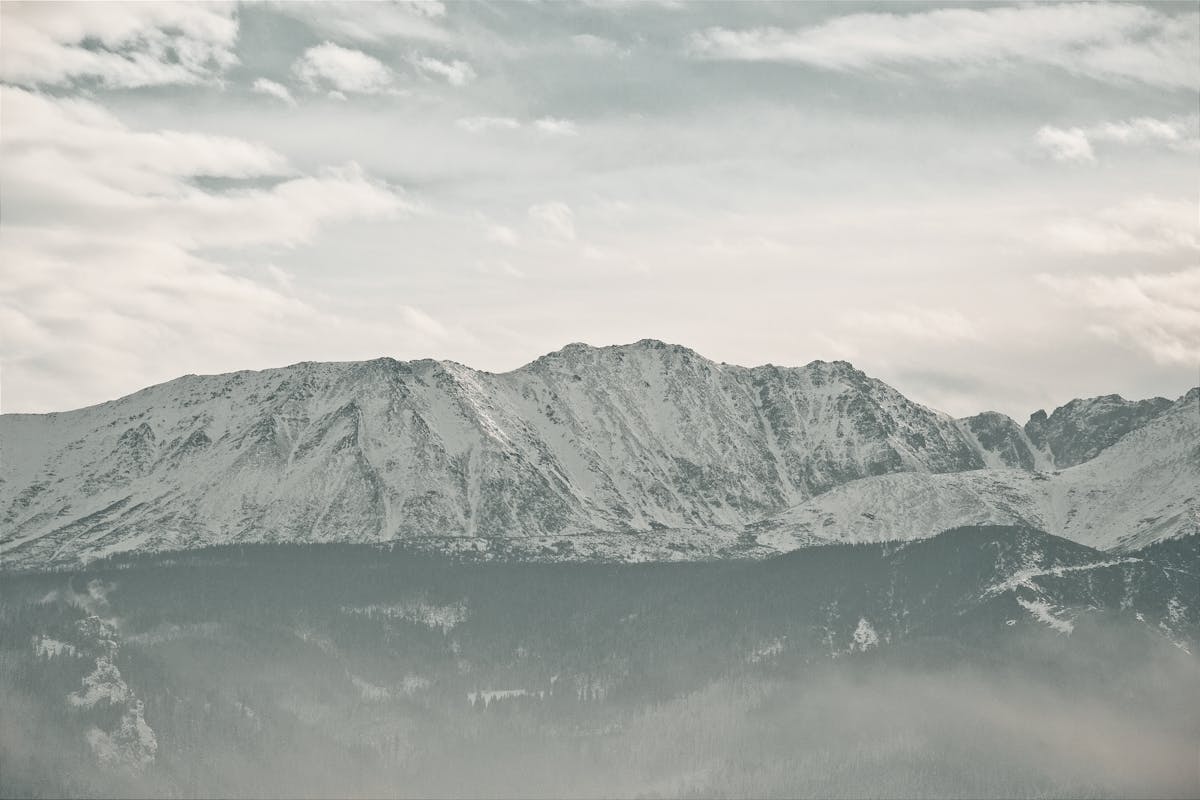
While it lies firmly within the Western Tatras, it completely lacks the intimidating rock drops and exhaustive vertical slogs of its neighbors. Sitting above the massive Chochołowska Shelter, it is widely considered the ultimate "first peak" for families and beginners. Despite its relatively low elevation, the summit is entirely devoid of trees, covered in soft alpine grass that provides spectacular views of the jagged Slovak Roháče ridge. From here, the mountains look like a rolling sea of green, wave after wave of peaks stretching into the distance.
1. Solidarity on the Ridge: A Secret History
Grześ is not just a geological landmark; it is a monument to freedom and cross-border friendship. In the 1980s, during the dark days of the Communist regime, the summit of Grześ served as a secret meeting point for members of the Polish **Solidarity** (Solidarność) movement and Czech dissenters. Because the high ridge was difficult to police, activists from both nations would hike to the summit under the guise of ordinary tourists to exchange banned literature and coordinate resistance efforts against the Soviet-backed authorities. Standing on the summit today, next to the small wooden cross, you are standing on a site of quiet rebellion where the spirit of the mountains transcended international borders.
2. Geology: The Great Granite-Limestone Junction
Geologically, Grześ occupies a fascinating "transition zone" between two worlds. While the lower Chochołowska Valley is dominated by massive limestone and dolomite cliffs, the ridge of Grześ begins to show the first signs of the **Crystalline Core** of the Tatras. Here, the rock shifts from sedimentary limestone to metamorphic gneiss and granite. This change in soil chemistry supports a unique mix of flora; you will see the lime-loving Edelweiss growing just meters away from the acid-loving alpine rushes. This geological "handshake" between the soft West Tatras and the jagged High Tatras makes Grześ one of the most botanically diverse peaks in the entire range.
3. The Chochołowska Logistics: Bicycles and Tractors
The main challenge of Grześ isn't the climb—it's the 7-kilometer approach through the **Chochołowska Valley**. To make the trip easier for families, the local Goral community offers two unique transport options. You can board the **"Rakoń" tractor-train**, a colorful wagon pulled by a tractor that takes you halfway up the valley, or you can rent rugged mountain bicycles at the Siwa Polana entrance. Cycling through the valley, surrounded by towering limestone walls and the rushing stream, is an experience in itself. Using these methods allows you to save your leg strength for the final 300-meter vertical push to the summit.
5. A Papal Visit: John Paul II in the Valley
The Chochołowska Valley and the slopes leading toward Grześ were the favorite hiking grounds of **Pope John Paul II** (Karol Wojtyła). In June 1983, during his visit to Poland, he famously escaped his security detail for a few hours to walk the trails of the Chochołowska Valley and meet with Solidarity leader Lech Wałęsa at the mountain shelter. He reportedly said that the peace of these mountains gave him the strength for his global ministry. You can still see the commemorative plaques and follow the "Papal Trail" markers. The peace and serenity he found here continue to draw thousands of pilgrims and nature lovers every year who seek the same spiritual refreshment.
Grześ offers one of the lowest-stress alpine experiences in the region, ideal for multi-generational groups or those seeking a peaceful day of reflection.
- The Shelter Feast: The Chochołowska Shelter is famous for its generous portions. We highly recommend their **Naleśniki z jagodami** (pancakes with mountain blueberries)—a safe, vegetarian, and nutrient-dense meal that provides the perfect post-hike reward. It is a certified Halal-friendly environment where you can fuel up in comfort.
- The Softest Prayer Spot: The summit is essentially a massive, rolling lawn of resilient alpine grass. It is arguably the softest and most comfortable place to perform Sujud in the entire National Park. You can enjoy total privacy by walking just 50 meters off the main path toward the Slovak side to pray Dhuhr with the entire mountain range at your feet.
- Mountain Wudhu: While there are no streams at the summit, the Chochołowska Shelter has high-quality facilities. However, many hikers prefer to use the crystal-clear water of the Chochołowski Stream near the trailhead for a spiritually refreshing Wudhu before the final ascent.
6. Wildlife: The Spotted Nutcracker and the Bear Corridor
The upper forest boundary on Grześ is the primary territory of the **Spotted Nutcracker** (*Orzechówka*) and the elusive **Capercaillie** (Wood Grouse). The Nutcracker is famous for its intelligence and its symbiosis with the Stone Pine trees—it buries thousands of seeds for the winter, and the seeds it forgets grow into new saplings, ensuring the high-altitude forest's survival. Additionally, Grześ lies within a major wildlife corridor between Poland and Slovakia. While rare, the **Tatra Brown Bear** is a resident of the dense dwarf pine thickets below the summit. These bears are most active at dawn and dusk. Hikers are encouraged to maintain a steady conversation to avoid surprising a bear in the early morning hours, respecting the fact that we are guests in their home.
7. Navigation: The Ridge Route to Wołowiec
For those feeling energetic, the summit of Grześ is just the beginning of a much grander adventure. Looking south along the exposed, grassy border ridge, you will see the peak of **Rakoń (1,879m)** and the mighty, pyramid-shaped **Wołowiec (2,064m)**. Unlike the jagged High Tatras, this ridge consists of smooth, alpine meadows that make for comfortable walking even at high altitudes. The hike from Grześ to Wołowiec takes just under two hours and provides an incredible "high-wire" experience with massive glacial valleys dropping away on both the Polish and Slovak sides. It is an easy-to-follow path that remains safe even for those with a slight fear of heights, as the ridges are broad and inviting.
If you want to experience the true essence of Grześ without the summer crowds, start your hike from Chochołowska before sunrise. Reaching the grassy summit just as the sun illuminates the Slovak peaks is a transcendent, solitary experience. Pack a thermos of hot tea and a thick jacket—it's worth every shivering minute.
Written and reviewed by the ZakopaneHalal editorial team
Halal travel desk
How we verifyZakopaneHalal is an independent guide to Zakopane and the Polish Tatras for Muslim travellers. Restaurant listings are checked against the venue directly — meat sourcing, kitchen practice and whether the kitchen handles pork — and re-checked when ownership or menus change. Trail and transport guidance is based on published Tatra National Park information and on the current timetables and prices, which we revisit each season. Where we are not certain of something, we say so on the page rather than guess.