The Alpine Hub of Exploration
Hala Gąsienicowa is legendary among Polish hikers. It is not just a meadow; it is the physical and spiritual gateway to the most dramatic peaks of the High Tatras.
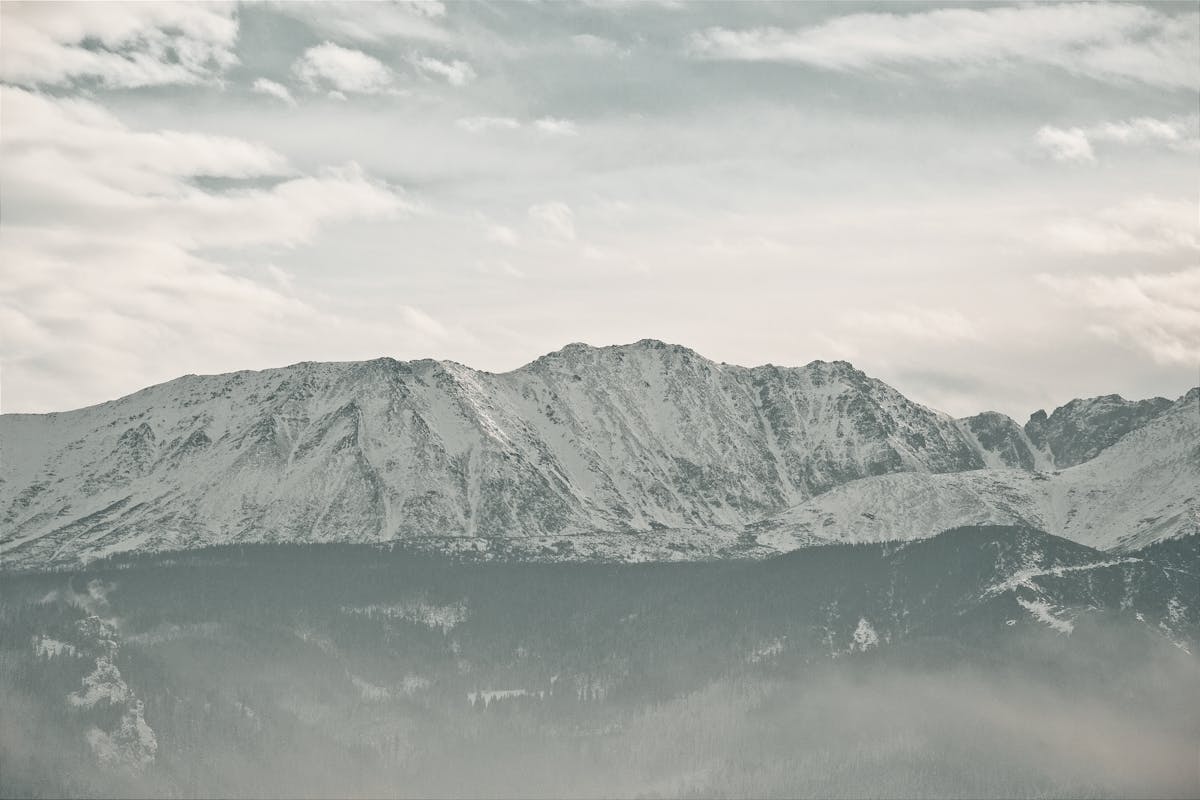
Surrounded by a natural amphitheater of towering granite, this valley feels like a world apart. At an altitude of 1,500 meters, it serves as the primary base camp for those attempting the infamous Orla Perć (Eagle's Path) or the climb to Kościelec. The landscape is a mix of rugged rock, vibrant mountain pine (*Kosodrzewina*), and historical stone cabins that once sheltered shepherds and now stand as silent witnesses to the valley’s pioneer climbing history.
1. History: The Legend of Murowaniec
The centerpiece of the valley is the **Murowaniec Shelter**, a massive stone structure built between 1921 and 1925. It was a project of the Polish Tatra Society, led by the legendary General **Mariusz Zaruski**—the father of Polish mountain rescue. The shelter was built using local granite, literally carved from the surrounding mountainside. During the pre-war era, it was the social heart of Polish alpinism, where the greatest climbers gathered to plan first ascents. Inside, the thick stone walls and heavy wooden beams still evoke the feeling of a medieval mountain fortress, providing a safe haven from the extreme alpine weather.
2. Czarny Staw: The Mirror of the High Tatras
A 30-minute hike from the shelter leads you to **Czarny Staw Gąsienicowy** (The Black Pond), one of the most photographed lakes in Poland. Locked in by the sheer 500-meter walls of the Kościelec peak, the lake’s water is so deep and clear that it appears almost black in certain lights. In the center of the lake lies a small, rocky island, often used as a landmark by photographers. This is a place of profound silence, where the only sound is the wind whistling through the granite chimneys above.
Hala Gąsienicowa provides a high-altitude sanctuary perfect for contemplation and prayer.
- Salah by the "Black Pond": The shore of Czarny Staw is covered in large, flat granite slabs. Walking just 50 meters away from the main trail toward the water offers absolute privacy and some of the cleanest, most majestic prayer spots in Europe.
- Murowaniec Cafeteria: The shelter kitchen is large and efficient. For a halal-safe meal, we recommend the **Zupa Jarzynowa** (Vegetable Soup) or the classic **Tomato Soup with Rice**. Their wild blueberry pancakes (*Naleśniki z jagodami*) are a legendary high-energy dessert.
- Pure Water Wudhu: The rushing stream that flows out of Czarny Staw is incredibly pure and geologically filtered. It is the perfect source for a refreshing high-altitude Wudhu before performing your prayers in the meadow.
3. The Constellation of Lakes
While Czarny Staw is the most famous, the valley actually contains a "constellation" of smaller glacial pools. To the west of the Murowaniec shelter lies the **Zielony Staw** (Green Pond), which has a distinct emerald hue due to the specific minerals in the surrounding rock. Walking the circuit of these lakes takes about 2 hours and offers a more peaceful, less crowded experience than the main trail. Each lake has its own unique ecosystem, with rare alpine mosses and insects found nowhere else in the Tatras.
4. Cultural Heritage: The Szałasy
Before the tourists arrived, Hala Gąsienicowa was a vast pasture for thousands of sheep. Several of the original **Szałasy** (stone and wooden shepherd huts) have been preserved as historical monuments. These buildings were constructed without nails, using a technique called "zrąb" where logs are interlocked. They represent the architectural soul of the Goral (Highlander) culture and serve as a reminder of the valley’s origins as a place of hardy, self-sufficient survival.
5. Wildlife: The Golden Goshawk
The high forests of Gąsienicowa are the hunting grounds for the **Northern Goshawk** (*Jastrząb gołębiarz*). These powerful raptors can be seen diving through the pine canopy with incredible speed. In the meadows, look for the **Tatra Marmot** (*Świstak*). These large, furry rodents are known for their high-pitched tactical whistles, which they use to warn the colony of approaching hikers or predators (like the golden eagle).
6. Ascent Choice: Boczań vs. Skupniów Upłaz
From Kuźnice, you face a choice between two main routes, each taking about 1 hour 45 minutes:
- Blue Trail (Boczań): The most popular choice. It follows a forested ridge that breaks out into the open relatively early, offering views of the Giewont massif to the west.
- Yellow Trail (Dolina Jaworzynki): Shorter but steeper. It follows a deep valley floor before a final, grueling set of rocky switchbacks. It is recommended for the descent as it is easier on the knees.
The Local Side
Most hikers rush straight to the Murowaniec shelter or Czarny Staw, ignoring the eastern side of the valley. If you take the yellow trail towards Krzyżne pass for just 20 minutes, you'll reach the much quieter **Żółte Turnie** area. You get an incredible, elevated view looking back down across the entire meadow, the shelter, and the jagged peaks behind it, usually with zero crowds.