A Journey to the Foot of Giewont
Hala Kondratowa is where the raw power of the High Tatras meets the cozy intimacy of mountain tradition. Nestled in a glacier-carved cirque at 1,333 meters, this meadow is home to the smallest mountain shelter in Poland—a tiny wooden haven that has survived avalanches, storms, and the passage of time.
1. The Traditional Route from Kuźnice
The hike begins in **Kuźnice**, the historic heart of Tatra exploration. You follow the blue trail—the same set of stones that lead to the cross-topped Giewont summit. For the first 30 minutes, the path follows the wide, cobblestoned "Brother Albert’s Road" toward Kalatówki. Just before reaching the Kalatówki hotel, the trail branches off onto a more traditional, narrow mountain path that winds through a pristine, ancient spruce forest. This section of the woods is particularly quiet, often filled with the rhythmic drumming of woodpeckers and the scent of damp pine needles.
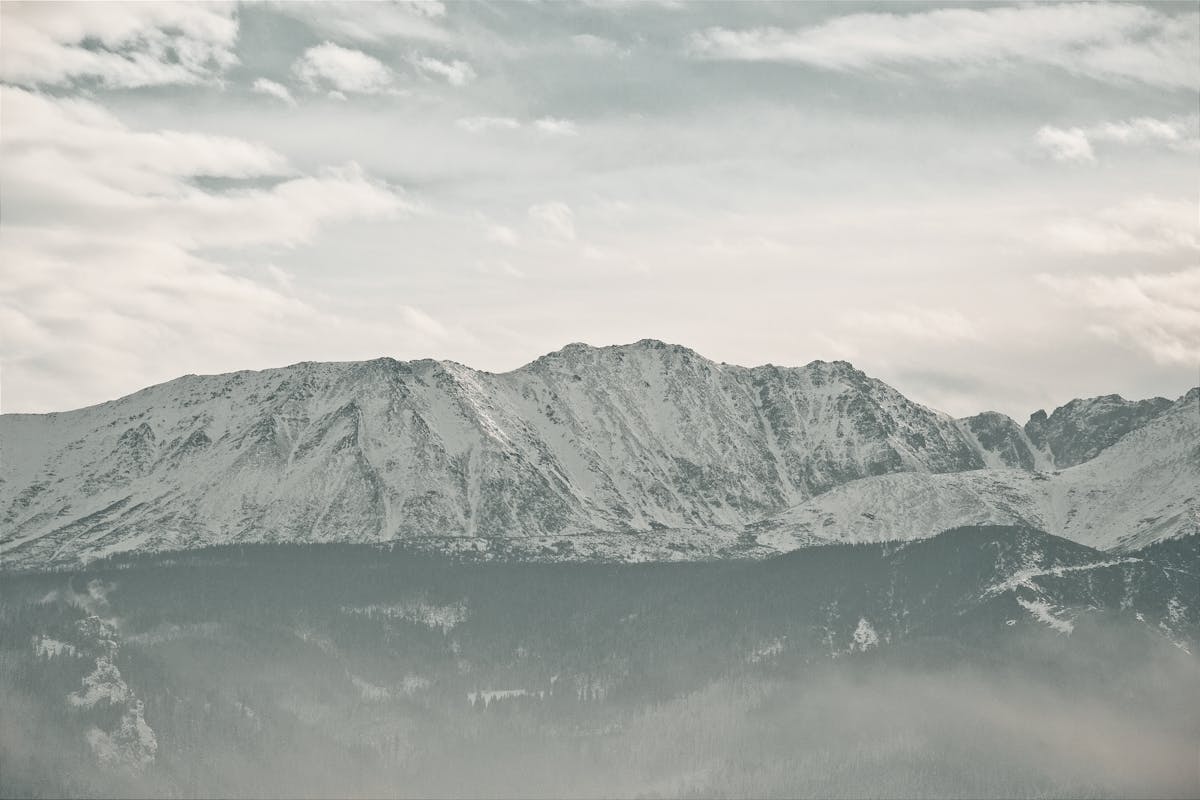
As you gain altitude, the trees begin to thin, and the massive, triangular silhouette of Giewont starts to dominate the skyline. The climb is steady but manageable, making it one of the premier choices for families with children who want to experience a "real" mountain environment without extreme technical exposure. The transition from the dense forest to the wide-open alpine meadow of Hala Kondratowa is one of the most rewarding visual reveals in the entire Tatra National Park.
2. The "Tiny" Shelter: A Wooden Sanctuary
The **Schronisko na Hali Kondratowej** is iconic precisely because of its diminutive size and "Swiss-chalet" style. Built in 1947-1948, it was designed by the architect Antoni Kenar to look as if it grew naturally out of the alpine grass. The interior is so snug that a single group of hikers can fill the dining room, creating a uniquely warm, community-driven atmosphere. It is the only shelter in the Tatras where you can truly smell the wood of the walls and hear the crackle of the fireplace from every seat. It feels less like a hotel and more like the private cabin of a mountain hermit.
3. The 1953 Miracle and the Boulders
Hala Kondratowa is a place where geology is visible in every corner. In April 1953, a massive stone avalanche detached from the slopes of Giewont. Several limestone blocks weighing dozens of tons tumbled down into the meadow. One of these giant boulders—the size of a small truck—stopped just centimeters from the shelter's wall. These "Prehistoric Giants" still sit exactly where they landed, scattered across the grass like abandoned monuments. Children often use them as climbing walls, but for the local highlanders, they are a humbling reminder of the mountain's power and the thin line between survival and disaster in the high peaks.
Hala Kondratowa offers a level of serenity and "Purity" (Taharah) that is rare for such an easily accessible location.
- Salah & Seclusion: While the shelter interior is often crowded, the **Kondratowa Meadow** is vast. Walk 100 meters past the shelter toward the Giewont trail to find several large, flat boulders. These provide clean, elevated, and quiet spaces for Dhuhr and Asr prayer with an incredible view of the 'Sleeping Giant'.
- Wudhu from the Source: A natural, crystal-clear mountain stream flows directly past the shelter entrance. It is geologically filtered by the limestone and is perfectly clean for Wudhu. Be prepared—the water is ice-cold even in the peak of summer, offering a refreshing burst of energy for the hike back down.
- Dining Strategically: The kitchen is basic due to the shelter's size. Stick to the classic **"Szarlotka"** (mountain apple pie) or hot tea. For a full, warm meal, we recommend stopping at the larger Kalatówki hotel on your way back down to Kuźnice.
4. Wildlife: The Alpine Raven and the Fox
Hala Kondratowa is one of the few places where you can witness the intelligence of the **Common Raven** (*Kruk*). These massive, jet-black birds are the true owners of the meadow. They can often be seen playing in the updrafts from the valley, performing mid-air rolls and dives. Along with the ravens, a family of **Red Foxes** has lived near the shelter for years. While they are beautiful to photograph, always remember that these are wild animals—never attempt to feed them, as it disrupts their natural ability to survive the harsh Tatra winters.
5. The Choice of Three Paths
For those looking for a further challenge, the shelter is the ultimate fork in the road. You have three iconic choices:
- The Sleeping Giant (Giewont): The steep blue trail leads to the cross-topped summit in about 1.5 hours. It is the most popular choice but can be crowded.
- The Red Ridge (Czerwone Wierchy): The green trail takes you up to the **Kopa Kondracka** pass. From there, you can walk the ridge across the four Red Peaks, one of the most beautiful walks in Europe.
- The Quiet Return: If you are with children, descending back via the Kalatówki forest allows for a relaxed afternoon in the lower meadows.