The Gatekeeper of the Valley
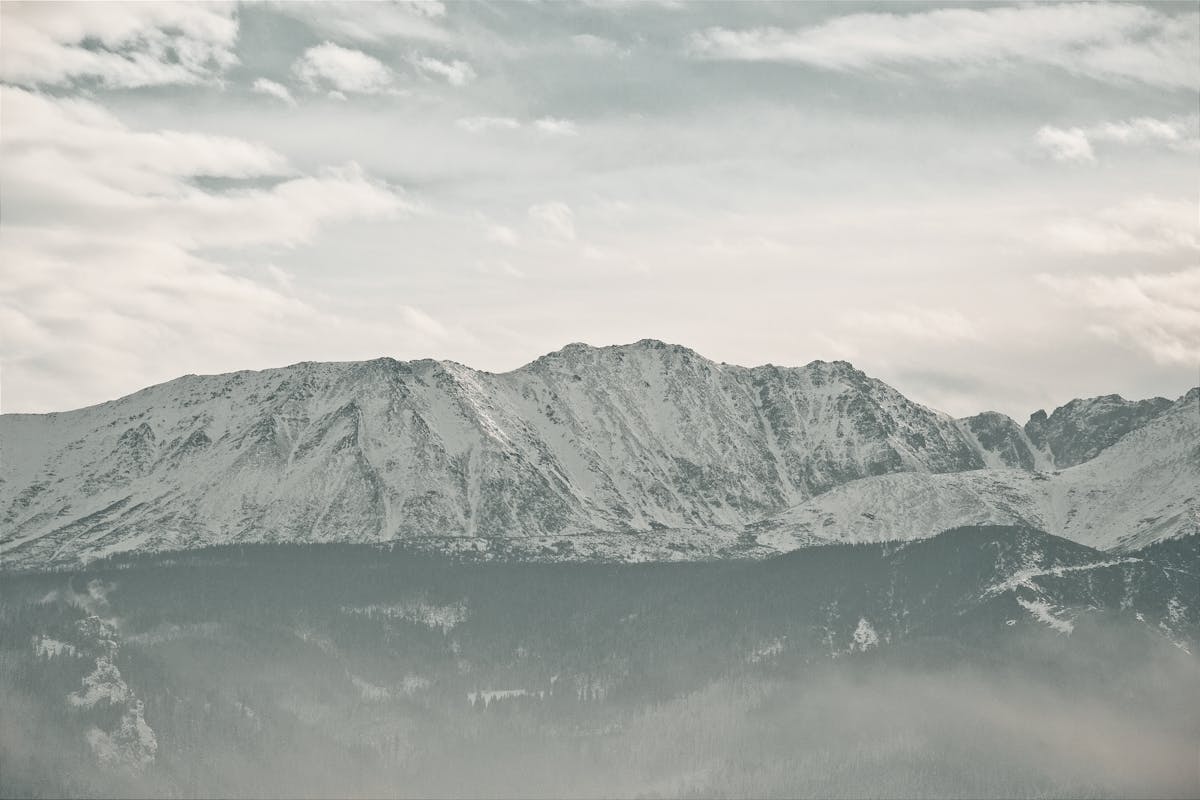
Nosal is often the first "real" mountain peak for many visitors to Zakopane. At 1,206m, it offers a dramatic scale that belies its proximity to the city center.
Despite its modest height, Nosal (meaning "The Nose" in Polish) is one of the most beloved viewpoints in the region. Its name comes from the characteristic rock formation on its western slope which, when viewed from certain angles, looks like a massive human nose protruding from the mountain. It serves as a natural "gatekeeper" to the Kuźnice valley, standing at the transition point between the urban sprawl of Zakopane and the protected wilderness of the Tatra National Park.
1. History: The Cradle of Polish Skiing
Nosal has a legendary place in Polish sporting history. In the 1930s and 1950s, the steep northern face of the mountain was home to the "K" slalom run—the most difficult and dangerous ski slope in Poland. It was here that the first international FIS competitions were held in Zakopane, and the slope remains a symbol of the "brave era" of skiing before modern safety regulations. While the legendary "K" slope is now often closed to protect the soil, the mountain’s history as a place of athletic struggle and triumph remains a part of its character. For hikers, the "green" trail follows the ridge that once overlooked these historic downhill runs.
2. Geology: The Tectonic Collision
Geologically, Nosal is a fascinating "contact zone." It is where the limestone and dolomite plates of the lower Tatras were pushed over the granite core of the high Tatras millions of years ago. This tectonic friction compressed the rock into the jagged, step-like formations that form the trail today. The "stairs" you climb are actually natural layers of sedimentary rock that have been tilted almost vertically by the immense pressure of the mountain-building process. This creates a uniquely "grippy" surface for hiking, though the rocks can become polished and slippery over decades of foot traffic.
Nosal is the most convenient peak for travelers keeping a strict prayer schedule.
- Salah with a Panoramic View: While the main summit is often busy, follow the ridge 100 meters toward Kuźnice. There are several flat, secluded granite ledges hidden by high mountain pines. These spots are perfectly private and offer a majestic environment for prayer with the entire Giewont massif as your backdrop.
- The 2-Hour Window: Nosal is the perfect "gap-filler" hike. If you arrive in Zakopane at noon, you can easily complete this hike between Dhuhr and Asr without ever feeling rushed. It is the ultimate way to maintain your spiritual routine while experiencing a true mountain summit.
- Wudhu at the Base: There are no water sources on the mountain itself. We recommend performing Wudhu at the trailhead in Kuźnice (where there are public restrooms) before you begin the 45-minute ascent.
3. Wildlife: Nesting Raptors
The sheer cliffs of Nosal aren't just for views; they are critical nesting grounds for the **Peregrine Falcon** (*Sokół wędrowny*). These birds—the fastest animals on Earth—can often be seen diving at incredible speeds from the summit toward the Kuźnice valley. Because the peak is an "island" of rock near the city, it also attracts the **Tatra Goat** (*Kozica*) during the quiet winter months when they descend from the higher peaks to find salt and shelter in the lower limestone caves.
4. The Panorama: High Tatra Perspective
Standing on the summit of Nosal gives you a "telephoto" perspective of the High Tatras. Because you are separated from the main range by the deep Kuźnice valley, you can see the entire profile of peaks like Świnica, Kościelec, and Granaty in one clear sweep. It is arguably the best place in Zakopane to study the topography of the park before attempting more difficult trails. At sunset, the "Alpenglow" effect on the granite walls opposite you is truly spectacular.
5. Navigation: The Circular Ridge Loop
To get the most out of your visit, we highly recommend the "Full Ridge Loop":
- Start: Murowanica (near the main Kuźnice roundabout).
- The Climb: Follow the green trail up the "stairs"—this is the steepest part of the hike.
- The Summit: Spend time on the flat summit blocks of Nosal (1,206m).
- The Descent: Continue south on the green trail toward the Nosalowa Pass. The descent here is much gentler on the knees and leads you through a beautiful pine forest toward the Kuźnice hub.
6. Safety: The Rocky Teeth
The main hazard on Nosal is the "polished rock." Decades of millions of hikers have smoothed the limestone steps to a glass-like finish. This makes the trail exceptionally dangerous after a light rain or morning mist. Always wear footwear with aggressive treads, and if you are hiking for sunset, ensure you have a high-quality headlamp for the forested descent toward Kuźnice, which becomes dark very quickly once the sun dips below the Giewont ridge.
The main summit gets crowded quickly. Instead, continue 100 meters south along the green ridge trail. You'll find a series of quiet limestone balconies sheltered by dwarfed pines—the perfect secluded spot for reflection or prayer.