The Gateway to the Eagle's Path
Zawrat (2,159m) is not just a mountain pass; it is a legendary crossroads in the Polish soul.
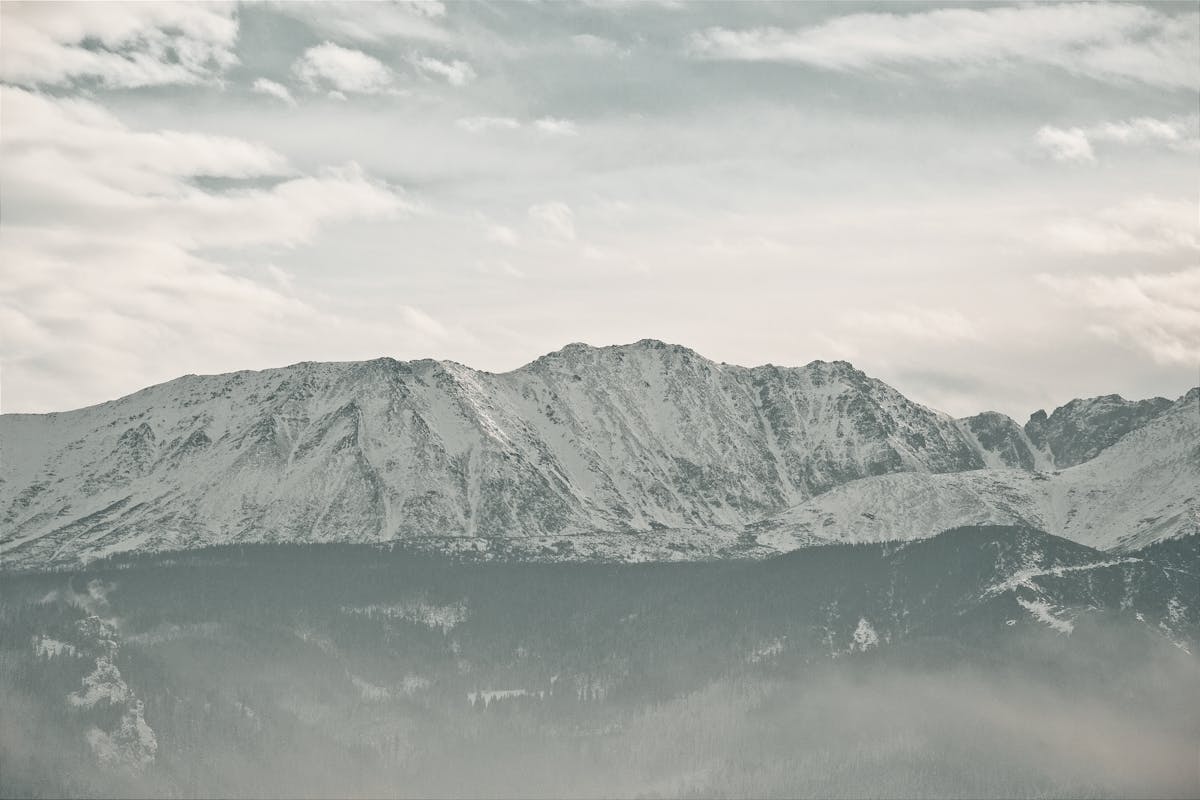
It serves as the official starting point for the **Orla Perć (The Eagle's Path)**—infamously known as the most difficult and dangerous hiking trail in the entire Tatra Mountains. Standing on the narrow, rocky saddle of Zawrat, you straddle two different worlds. Looking north, you peer down the terrifyingly steep, shadowed granite chute of the Zawratowy Żleb. Looking south, the landscape opens up into the softer, sunlit expanse of the Valley of Five Polish Ponds. It is a place where the physical and the metaphysical meet, demanding total focus and presence of mind.
1. The Cradle of Polish Climbing
Zawrat has been a place of pilgrimage for Polish artists, poets, and mountaineers for over 150 years. The first recorded tourist ascent was in 1842, and by the late 19th century, it was the ultimate test for the Zakopane "intellectual elite." Great poets like Juliusz Słowacki and composers like Mieczysław Karłowicz stood on this pass, finding inspiration in its brutal, vertical beauty. In the early 1900s, the priest Walenty Gadowski spent months here, bolting the first steel chains into the rock to create the Eagle's Path, effectively birthng modern Polish mountain tourism. When you grip those chains today, you are touching the same steel that generations of legendary climbers used before you.
2. The Ascent from the North: The "Shadow Gully"
The traditional approach to Zawrat begins at the Murowaniec shelter in Hala Gąsienicowa. Past the Black Pond (Czarny Staw), you enter the Zawratowy Żleb (Zawrat Gully), also known as the "Shadow Gully" because the high granite walls keep it in darkness for most of the day. This is where casual hiking ends. The final vertical hour involves scaling near-vertical granite slabs equipped with dense networks of steel chains and metal footholds (*klamry*). The exposure here is massive, with hundreds of meters of air beneath your boots. Due to its narrowness and danger, the descent from Zawrat toward the north is strictly forbidden—it is a one-way vertical ladder to the sky.
3. Geology: The Granite Heart
Zawrat is geologically fascinating because it sits at the "Granite Heart" of the High Tatras. Unlike the crumbly limestone of the Western Tatras, the granite here is solid, sharp, and incredibly cold. The pass was carved out by retreating glaciers over 10,000 years ago, leaving behind the jagged, knife-edge ridge we see today. The high iron content in the rock often gives the stones a dark, almost black appearance in the rain, which is why the pond below is named *Czarny Staw*. This solid rock is what makes the technical climbing on the chains possible—the stone provides "stickiness" for your boots, but it is brutally unforgiving to bare skin.
Attempting Zawrat requires extreme physical exertion and mental fortitude (Sabr). It is highly advised not to attempt this hike while fasting.
- Vertical Fueling: You must carry dense Halal nutrition. The physical act of pulling yourself up the chains rapidly depletes your glucose. Carry "energy balls" made of dates and honey—these were the traditional fuel of mountain travelers for centuries.
- Prayer on the Edge: Do not attempt to pray while in the vertical gully. There is zero flat ground and the danger of falling rock is high. If approaching from the north, perform your prayers at the quiet, flat shores of Czarny Staw. From the south, the wide granite plateau of the Five Ponds offers immense privacy and peace for Salah.
- Technical Safety: Modest clothing (long tunics or skirts) must be carefully managed on the chains. Ensure nothing can get snagged in the steel links. Wearing tight-cuffed hiking trousers is the safest option for this specific technical route.
4. Wildlife: The Masters of the Pass
Even at 2,158 meters, you are not alone. The pass is the kingdom of the **Alpine Chough** (*Wieszczek*). These incredibly intelligent black birds with yellow beaks use the intense thermal winds of the Zawrat gully to perform acrobatic displays. They are remarkably tame and will often wait on the summit rocks, watching hikers. You might also encounter the **Tatra Fox**, which has learned that the pass is a popular resting spot. These foxes are beautiful but wild—never attempt to feed them or pet them, as they are essential to the balanced ecosystem of the high peaks.
5. The Safer Alternative: The Southern Approach
If you want to experience the breathtaking views of Zawrat without the vertical chains, approach from the south via the Valley of Five Ponds. This route is longer but significantly gentler, following a wide, zigzagging path of large granite stones. On this side, you can see the emerald blue of the **Wielki Staw** pond below you the entire way. This is also the only legal way to descend from Zawrat if you have climbed up from the north. It is a walk of pure beauty rather than technical struggle, providing the same high-altitude reward with a fraction of the risk.