اختيارات موثوقة من GetYourGuide
أكمل خطة رحلتك إلى زاكوباني
قارن التذاكر والجولات وخيارات النقل المناسبة لهذه الصفحة، مع إمكانية الإلغاء المرن في كثير من الأنشطة.
رابط شراكة: قد نحصل على عمولة دون أي تكلفة إضافية عليك.
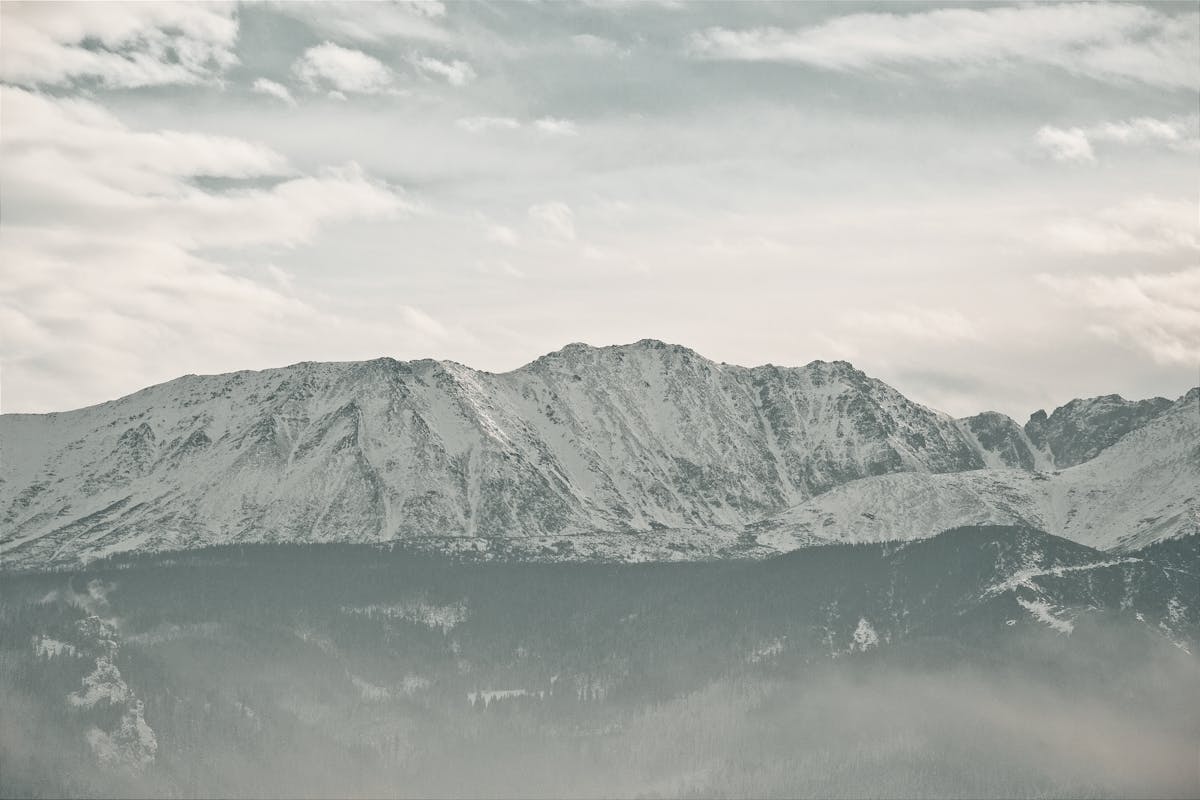
المنحدرات العمودية والمراعي الجبلية الواسعة
Photo: Mietax007 / Wikimedia Commons (CC BY-SA 4.0)
ربما يكون وادي (Dolina Małej Łąki) هو الموقع الأقل دقة في تسميته في حديقة تاترا الوطنية بأكملها. لا يوجد شيء "صغير" فيه على الإطلاق، فهو يغطي مساحة تقارب 6 كيلومترات مربعة ويتغلغل عميقاً في قلب جبال تاترا الغربية.
على عكس الطرق المعبدة المزدحمة في بحيرة مورسكي أوكو أو عربات الخيول الصاخبة في كوشتشيليسكا، لا يزال هذا الوادي خامًا رائعًا وغير تجاري. إنه محبوب جداً من قبل السكان المحليين الذين يبحثون عن نزهة طبيعية غامرة وهادئة بعيداً عن حشود الصيف.
بعد حوالي 90 دقيقة من التسلق المتواصل عبر مظلة الغابة، تنفصل الأشجار فجأة لتكشف عن المرج العظيم المذهل (**Wielka Polana Małołącka**). تم نحت هذه المساحة المسطحة تماماً والتي تشبه الوعاء بواسطة نهر جليدي ضخم قبل آلاف السنين.
قبل إنشاء الحديقة الوطنية، كان هذا المرج موقعًا لمستوطنة أغنام مترامية الأطراف، تنتشر فيها عشرات الأكواخ الخشبية للرعاة. ورغم اختفاء الأكواخ منذ زمن طويل، إلا أن المرج لا يزال باقياً—مكوناً مسرحاً أخضر ضخماً محاطاً من جهاته الثلاث بجدران صخرية شديدة الانحدار.
عندما تقف في وسط المرج العظيم وتنظر إلى الجنوب، تنجذب عينك فوراً إلى الأعلى. يلوح في الأفق الجرف العظيم (**Wielka Turnia**)—جدار عمودي ضخم ومرتفع بطول 500 متر من الحجر الجيري والدولوميت.
هذا الجرف المنحدر شديد الانحدار لدرجة أن الثلج نادراً ما يلتصق به، حتى في أشد أيام الشتاء برودة. الجلوس في العشب بالأسفل والتحديق ببساطة في القياس الذي لا يمكن تصوره لهذا الجدار هو أمر يجعلك تشعر بالتواضع التام أمام عظمة الخالق.
يقدم هذا الوادي واحدًا من أفضل المسارات الصديقة للعائلة والملهمة روحياً والبسيطة لوجستيًا في زاكوباني.
طبيعة برية: هذا الوادي "برّي" تمامًا. لا توجد ملاجئ ولا أكشاك طعام بمجرد مغادرة موقف السيارات. يجب أن تحضر معك كافة الوجبات الخفيفة والماء. المرج العظيم هو مكان مثالي لنشر بطانية والاسترخاء لساعات.
مساحة الصلاة المثالية: إذا كنت تبحث عن مكان في الطبيعة لأداء الصلاة بسكينة مطلقة، فإن المرج العظيم هو أفضل مكان. إنه واسع بما يكفي لتتمكن من الابتعاد عن المسار، والعثور على صمت كامل وعشب ناعم وجاف لأداء صلاتي الظهر والعصر وأنت تواجه القمم العالية.
يعد Great Meadow مشهوراً، لكن سري هو **المسار السفلي** (*Ścieżka Dolna*) الذي يعانق حافة الغابة الشرقية. بينما يسير معظم الناس في المنتصف، فإن مسار الغابة هذا هو موطن لأكثر أنواع الطحالب حيوية التي رأيتها على الإطلاق، وفي يوليو، يمكنك العثور على **الفراولة البرية** (*poziomki*) التي تكون حلوة لدرجة أنها تشبه الحلوى. سري الثاني: إذا نظرت إلى جدار **Wielka Turnia** أثناء غروب الشمس، فإن الحجر الجيري لا يتحول فقط إلى اللون البرتقالي؛ لمدة 3 دقائق تقريبًا، يبدو وكأنه مصنوع من الذهب الخالص. إنها أكثر 3 دقائق سلمية في زاكوباني.
Halal travel desk
How we verifyZakopaneHalal is an independent guide to Zakopane and the Polish Tatras for Muslim travellers. Restaurant listings are checked against the venue directly — meat sourcing, kitchen practice and whether the kitchen handles pork — and re-checked when ownership or menus change. Trail and transport guidance is based on published Tatra National Park information and on the current timetables and prices, which we revisit each season. Where we are not certain of something, we say so on the page rather than guess.
نظرًا لأن الوادي يشهد جزءًا بسيطًا من حركة المشاة، فهو يُعتبر طريق عبور مفضل لمجموعة الدببة البنية الأوراسية المحلية.
أثناء المشي في الغابات، من الأفضل إجراء محادثات خفيفة حتى لا تفاجئ دباً يبحث عن الطعام بالقرب من المسار. فهي عادةً خجولة وتتجنب أصوات البشر.
أضف التذاكر أو النقل أو الجولة المناسبة إلى خطتك قبل الوصول. روابط GetYourGuide شراكة وقد نحصل على عمولة دون تكلفة إضافية عليك.
قارن التذاكر والجولات وخيارات النقل المناسبة لهذه الصفحة، مع إمكانية الإلغاء المرن في كثير من الأنشطة.
رابط شراكة: قد نحصل على عمولة دون أي تكلفة إضافية عليك.
شريك الطيران
