اختيارات موثوقة من GetYourGuide
أكمل خطة رحلتك إلى زاكوباني
قارن التذاكر والجولات وخيارات النقل المناسبة لهذه الصفحة، مع إمكانية الإلغاء المرن في كثير من الأنشطة.
رابط شراكة: قد نحصل على عمولة دون أي تكلفة إضافية عليك.
The Legend of the Sleeping Knight: Zakopane's Most Iconic Peak
Photo: Jakub Hałun / Wikimedia Commons (CC BY-SA 4.0)
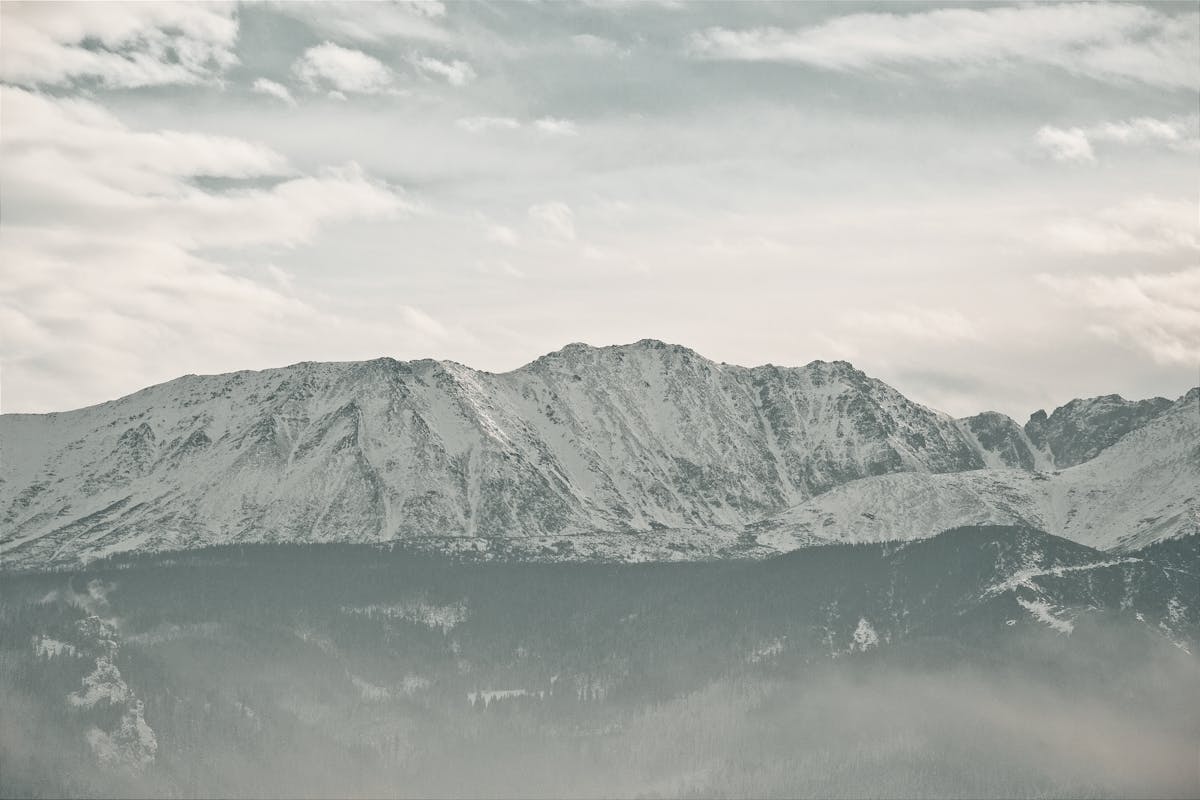
يعد جبل جيوونت (Giewont)، الذي يهيمن على أفق زاكوباني، أكثر من مجرد جبل؛ إنه شخصية أسطورية. عند النظر إليه من المدينة، تشبه صورة التلال الظلية فارساً مستلقياً على ظهره. ووفقاً للفولكلور المحلي، سيستيقظ هذا "الفارس النائم" للدفاع عن بولندا في أوقات الحاجة الماسة.
على القمة تماماً، يقف صليب حديدي بارتفاع 15 متراً، تم نصبه في عام 1901. وقد أصبح موقعاً تاريخياً ووجهة إلزامية لكل زائر إلى زاكوباني.
الطريق الأكثر شعبية وربما الأكثر أماناً إلى القمة هو **المسار الأزرق** الذي يبدأ في Kuźnice. المرحلة الأولى عبارة عن مسار مشي لطيف ومسطح نسبياً عبر غابات الصنوبر الكثيفة إلى مرج كالتوكي (Kalatówki) الألبي. إذا وصلت في أوائل الربيع، فغالباً ما تُغطى هذه المنطقة بأكملها بسجادة رائعة من أزهار الزعفران الأرجوانية.
من كالتوكي، تتقدم إلى Hala Kondratowa الساحرة، موطن أصغر مأوى PTTK في جبال تاترا البولندية. هذا الكوخ الخشبي هو محطة راحة محبوبة حيث يتزود المتنزهون بالشاي الساخن أو خبز الزنجبيل قبل بدء التسلق الحقيقي.
يبدأ التحدي البدني الحقيقي عند ممر كوندراتكا (Kondracka Przełęcz). من هنا، يصبح المسار أكثر انحداراً بشكل ملحوظ، حيث ينتقل من المسارات الترابية إلى الصخور المكسورة والمكشوفة. يتم تنظيم الصعود النهائي إلى قبة القمة بدقة بواسطة حديقة تاترا الوطنية (TPN) ضمن **مسار ذو اتجاه واحد** لمنع الاختناقات الخطيرة.
يتم تأمين هذا القسم النهائي بواسطة سلاسل فولاذية ثقيلة مثبتة مباشرة في واجهة الصخر. ستحتاج إلى استخدام يديك لسحب نفسك فوق المنحدرات الشاهقة. إنه يتطلب جهداً بدنياً وهو مثير للغاية، ولكنه لا يوصى به لأولئك الذين يعانون من خوف شديد من المرتفعات أو للأطفال الصغار.
على عكس قمم الجرانيت المرتفعة في جبال تاترا العالية (مثل Rysy أو Zawrat)، يعد جيوونت جزءاً من جبال تاترا الغربية، ويتكون بالكامل تقريباً من الحجر الجيري الرسوبي وكهوف الدولوميت. تدعم هذه التربة القلوية نظاماً بيئياً مختلفاً تماماً. أثناء التنزه فوق خط الأشجار، ابحث عن الزهور الألبية النادرة التي تنمو من الشقوق في الصخر.
أنت تدخل أيضاً إلى مملكة ظباء تاترا (شامواه)، وهي ماعز جبلية رشيقة تتنقل بسهولة عبر المنحدرات العمودية. تعتبر أجزاء الغابات السفلية بالقرب من زاكوباني أيضاً موائل رئيسية للدب البني الأوراسي والغزلان الحمراء.
يعد الصليب الحديدي الضخم البالغ طوله 15 متراً (49 قدماً) في القمة هو المعلم الأكثر شهرة في جيوونت. تم نصبه من قبل سكان أبرشية زاكوباني في عام 1901 لإحياء ذكرى مرور 1900 عام على ميلاد يسوع المسيح. كانت لوجستيات بنائه مذهلة: تم نقل جميع المكونات الحديدية البالغ عددها 400 قطعة، والتي تزن طنين في المجموع، إلى الجبل الغادر يدوياً. اليوم، أصبح الصليب نصباً تاريخياً مسجلاً.
يعد مرج كالتوكي مكاناً هادئاً لأداء صلاة الظهر أو العصر. إنه أكثر هدوءاً من القمة الفعلية ويوفر مساحة كافية لسجادة صلاة قابلة للطي على العشب الناعم. لتناول الطعام، يقدم الملجأ خيارات نباتية، ولكننا نوصي بشدة بتعبئة وجبة خفيفة حلال غنية بالبروتين (مثل المكسرات والتمر) من المدينة لرحلة الصعود المكثفة النهائية.
خطر البرق
يعمل الصليب الحديدي الضخم في القمة كماعق صواعق حرفياً. من الناحية الإحصائية، يعد جبل جيوونت أحد أخطر الأماكن في بولندا أثناء العواصف. من أشهر الحوادث التي وقعت في عام 2019 عندما ضربت صاعقة مفاجئة الصليب والسلاسل، مما تسبب في وقوع وفيات وإصابات جماعية. إذا رأيت غيوماً داكنة، أو شعرت بانخفاض مفاجئ في درجة الحرارة، أو سمعت صوت الرعد، **انزل فوراً**. لا تحاول أبداً الوصول إلى القمة إذا كانت التوقعات تشير إلى عواصف رعدية بعد الظهر.
نعم. تم صقل الحجر الجيري في جيوونت بملايين الأقدام وهو زلق للغاية، حتى عندما يكون جافاً. أحذية الجري لا توفر قبضة كافية لقسم السلاسل.
خلال أشهر الصيف المزدحمة وعطلات نهاية الأسبوع، يمكن أن يصل وقت الانتظار عند السلاسل إلى 1-2 ساعة. ابدأ المشي لمسافات طويلة عند الفجر (5:00 أو 6:00 صباحاً) لتجنب الحشود.
Halal travel desk
How we verifyZakopaneHalal is an independent guide to Zakopane and the Polish Tatras for Muslim travellers. Restaurant listings are checked against the venue directly — meat sourcing, kitchen practice and whether the kitchen handles pork — and re-checked when ownership or menus change. Trail and transport guidance is based on published Tatra National Park information and on the current timetables and prices, which we revisit each season. Where we are not certain of something, we say so on the page rather than guess.
أضف التذاكر أو النقل أو الجولة المناسبة إلى خطتك قبل الوصول. روابط GetYourGuide شراكة وقد نحصل على عمولة دون تكلفة إضافية عليك.
قارن التذاكر والجولات وخيارات النقل المناسبة لهذه الصفحة، مع إمكانية الإلغاء المرن في كثير من الأنشطة.
رابط شراكة: قد نحصل على عمولة دون أي تكلفة إضافية عليك.
شريك الطيران
