The Legend of the Sleeping Knight
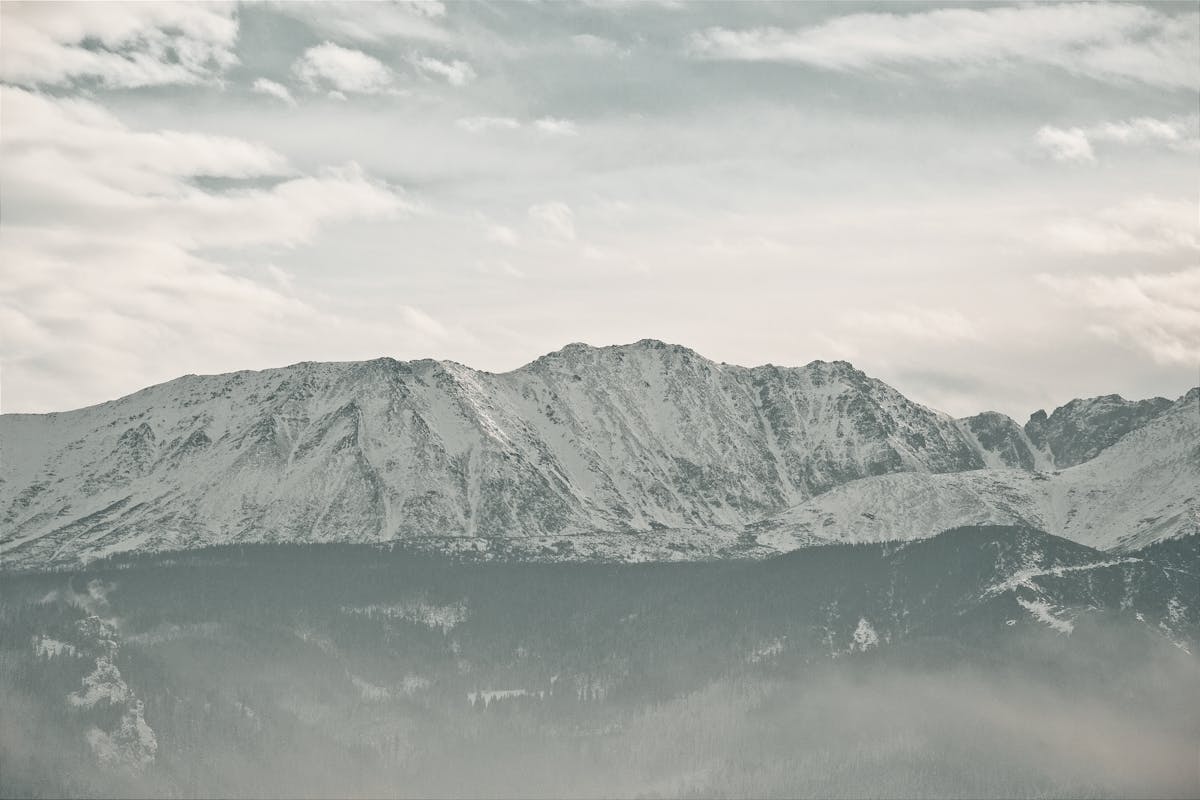
Dominating the Zakopane skyline, Mt Giewont (1,895m) is more than just a mountain; it is the spiritual sentinel of the Polish Tatras.
When viewed from the town below, the massive limestone profile of Giewont resembles a giant knight lying on his back—the "Sleeping Knight." According to highlander folklore, this knight will wake up to defend the nation in its hour of greatest need. The mountain is actually a massif composed of three distinct parts: **Wielki Giewont** (the "head" and main summit), **Mały Giewont** (the "knees"), and **Długi Giewont** (the "torso").
1. History: The 1901 Iron Cross
The defining feature of Giewont is the 15-meter-high iron cross that stands at its summit. It was erected in 1901 by the parishioners of Zakopane to commemorate the 1900th anniversary of the birth of Jesus Christ. The construction was a feat of high-altitude logistics; over 400 separate iron pieces, weighing a total of 1.8 tons, were carried up the steep slopes on the backs of local highlanders and then riveted together at the peak. Today, it is not only a religious symbol but a national landmark that can be seen from almost any point in the Podhale region.
2. Geology: Limestone and Polished Steps
Unlike the jagged, dark granite of the High Tatras, Giewont is made of sedimentary limestone. Thousands of years of glacial movement and rainwater have carved its steep northern face into a sheer 700-meter drop. For hikers, this geology means two things: the views are incredibly vertical, but the limestone rock on the trail has been "polished" by millions of hiking boots over the last century. Even in dry weather, the final approach to the summit can feel as slippery as ice—high-grip footwear is an absolute necessity.
Giewont offers a profound spiritual experience, but requires careful planning for prayer and purity.
- Salah in the Clearings: The summit is too narrow and crowded for Salah. The best locations for Dhuhr or Asr are the **Hala Kondratowa** meadow (about 1.5 hours from the top) or the vast **Kalatówki** glade. Both offer clean grass and relative privacy from the main hiking flow.
- Wudhu Points: A crystal-clear stream flows directly past the Kondratowa shelter. Use this as your primary Wudhu point before the final, steep ascent, as there is no water source higher up the mountain.
- Energizing for the Chains: The climb is calorie-intensive. We recommend the vegetarian **Tatra Apple Pie** at the Kondratowa Shelter. It is light, halal-safe, and provides the quick sugars needed for the technical final section.
3. The Final Section: Steel Chains
The last 110 meters of the climb to the summit is a one-way path secured with heavy steel chains. This is a technical section where you must use your hands to pull yourself up the steep rock faces. During peak summer (July-August), there is often a "traffic jam" at the chains with wait times exceeding one hour. To experience Giewont in peace, we strongly recommend a "dawn ascent," reaching the trailhead in Kuźnice by 6:00 AM.
The Lightning Rod Effect
This is the most critical safety advice for Giewont: The 15-meter iron cross and the hundreds of meters of steel chains act as a massive lightning rod. Giewont is statistically the most dangerous place in the Tatras during a thunderstorm. **If the sky turns gray or you hear the first rumble of thunder, abandon the climb immediately.** Do not wait for the rain—lightning often strikes well before the storm arrives.
4. Wildlife: The Alpine Masters
Despite the crowds, Giewont is home to resilient wildlife. Look for the **Alpine Accentor** (*Płochacz halny*)—a small, friendly bird that often hops near the summit cross looking for crumbs. In the steep rock gullies of Mały Giewont, you may also see the **Tatra Chamois** leaping across limestone ledges that look impossible to climb. This is also a territory for the **Golden Eagle**, which uses the thermal winds rising from the Strążyska Valley to hunt along the ridges.
5. Navigation: The Way Out
Most hikers return via the same blue trail to Kuźnice. However, for a more dramatic descent, follow the yellow trail down toward the **Strążyska Valley**. This route is much steeper and harder on the knees, but it takes you directly under the massive north face of the "Knight," giving you a humbling perspective on the sheer scale of the peak you just conquered.
The Local Side
Most people immediately turn around after summiting Giewont, eager to get off the chains. My secret is the **Siodło Pass** just below the peak. While everyone crowds the cross, drop down 50 meters to the grassy saddle. You get a perfect, uncrowded profile view of the summit with the cross silhouetted against the sky, and it's completely silent. It's the best place to eat your lunch.