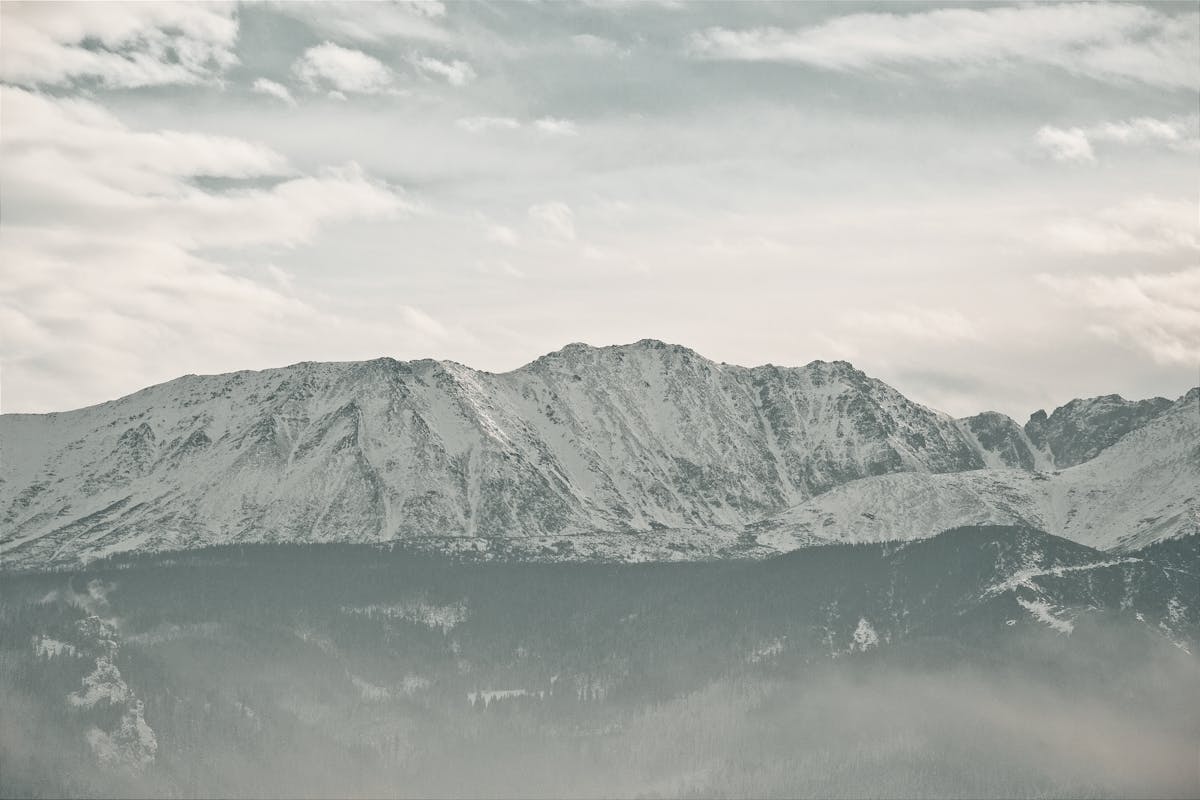
تاج القمم الحمراء
كرزيسانيتشا بارتفاع 2122 متراً هي الملك المتوج لسلسلة Czerwone Wierchy (القمم الحمراء). الوصول إلى قمتها وسام شرف لكل من يحاول عبور القمم الأربع الشهير على طول الحدود البولندية السلوفاكية.
المسير على الحافة المتدحرجة خادع؛ تمشي على ما يبدو كمرج لا نهاية له على الارتفاعات العالية، ثم فجأة تطأ هضبة القمة الصخرية حيث يتغير الطابع تغيراً جذرياً. من هنا ينفتح العالم في كل الاتجاهات بمنظر بانورامي 360 درجة على سلسلة تاترا بأسرها.
١. تشريح المنظر "الأحمر": سحر نباتي
اسم "القمم الحمراء" لا يأتي من الصخر نفسه — وهو في الحقيقة حجر جيري باهت متجوي — بل من نبات جبلي فريد يُدعى Sit skucina (Juncus trifidus). هذه النبتة العشبية الصلبة ناجٍ من العصر الجليدي، تتمسك بالتربة الرقيقة الحامضية. في أواخر الصيف وتحديداً سبتمبر وأكتوبر، يتراجع الكلوروفيل ويتراكم الصباغ محولاً الحافة الممتدة إلى سجادة من الصدأ والنحاس والقرمزي العميق. هذا التحول الأشد كثافةً على منحدرات كرزيسانيتشا اللطيفة. حين تضرب شمس الغرب العشبَ بزاوية منخفضة في "الساعة الذهبية"، يبدو الجبل بأسره يتوهج بنار داخلية — مشهد بصري يشبه سطح كوكب بعيد أكثر من جبل في وسط أوروبا.
٢. التاريخ: قمة المستكشفين الأوائل
رغم أن الجبليين يعرفون هذه القمم منذ قرون، بدأ الاستكشاف العلمي لكرزيسانيتشا في منتصف القرن التاسع عشر. انبهر علماء النبات والجيولوجيا الأوائل بالجمع الفريد بين الصخر الجيري والنباتات المحبة للغرانيت. خلال تلك الحقبة رُسمت أولى الخرائط الطبوغرافية على يد مستكشفين شجعان تسلقوا الوجه الشمالي العمودي البالغ 200 متراً قبل وجود معدات التسلق الحديثة. أفادوا بأن الصمت عند قمة كرزيسانيتشا كان شديداً لدرجة أنه بدا "مقدساً" — مشاعر يكررها المشاة المعاصرون حين يقفون وسط الأحجار القديمة وصفارات الغرير.
٣. الهاوية: الانحدار الشمالي بارتفاع 200 متر
اسم "كرزيسانيتشا" يعني تقريباً "الصخرة المنحوتة" في لهجة الغورال القديمة. السبب يتضح بشكل مذهل حين تنظر فوق الحافة الشمالية للقمة. العشب المتدحرج اللطيف ينتهي فجأة، مفسحاً المجال لجرف حجري جيري عمودي تماماً ينحدر 200 متراً مباشرةً إلى وادي موووفا.
هذا الوجه الصخري الشاسع الرمادي الباهت منظر مهيب يُسمى "جدار الغرب". الصوتيات على الارتفاعات العالية تعني أنك في الصباح الباكر كثيراً ما تسمع بوضوح صوت الشلالات من الوديان المئات من الأمتار تحتك وكأنها بجانبك مباشرة. غير أن هذه الميزة تستوجب احتراماً بالغاً — إنه يُعدّ أخطر منحدر على طول المسار بأكمله. في حالات الضباب تعثّر عدة مشاة تاريخياً على حافة الهاوية لعدم تمييزهم الضباب الرمادي عن المنحدر العشبي المستمر. ابقَ بصرامة في وسط المسار واحترم الحدود بين العشب والفراغ.
العثور على الأصداف البحرية المتحجرة (الأمونيت) يشبه اكتشاف الكنز. أفضل مكان للبحث مباشرةً على الممر الصخري القصير بين قمة كرزيسانيتشا وقمة تشيمنياك المجاورة. انظر عن كثب إلى الأحجار البيضاء الحمراء الفضفاضة على المسار وستجد حلزونيات مثالية منحوتة في الصخر. تذكر: صوّر واترك الأحجار في مكانها!
٤. الأعماق المخفية: كهف موووفا العظيم
جمال كرزيسانيتشا ليس على السطح فقط — بل في أعماق الجبل أيضاً. الجيولوجيا الجيرية للقمم الحمراء مخترَقة بأحد أكثر أنظمة الكهوف تعقيداً في العالم. يقع أسفل الوجه الشمالي مدخل فيلكا شنيزنا (الكهف الثلجي العظيم)، أعمق وأطول كهف في بولندا. تهوي أعمدته أكثر من 800 متر في الظلام. رغم أنها لا تُزار إلا بتصاريح خاصة للمستكشفين المحترفين، فإن معرفتك بأنك تقف فوق شبكة ضخمة من كهوف الجليد يضيف طبقة من الغموض والعظمة لرحلتك.
كرزيسانيتشا تقع في مركز عبور الحافة، مما يعني أنك في أبعد نقطة عن الحضارة. التحضر الروحي والجسدي ضروري.
- احتياجات السعرات: ستكون قد أحرقت طاقة ضخمة بحلول وصولك إلى هذه القمة. احمل وجبات خفيفة حلال عالية الطاقة (بروتين بارز، مكسرات مشكلة، تمر) لتجنب الإرهاق على الارتفاع. لا توجد ملاجئ على الحافة — حقيبتك هي مصدرك الوحيد للـ4 ساعات القادمة.
- مكان صلاة آمن: القمة كثيراً ما تتعرض لرياح عاتية. للصلاة بأمان، امشِ 5 دقائق شرقاً على طول الحافة نحو ماووواتشنياك. المسار يهبط إلى "سرج" (przełęcz) ضحل بمنطقة مسطحة عشبية واسعة تعمل كحاجز طبيعي للرياح. الصلاة على ارتفاع 2000م+ توهب إحساساً لا مثيل له بالتوكل.
- استراتيجية الماء: الحجر الجيري للقمم الحمراء شديد المسامية — لا يوجد ماء على الحافة مطلقاً. تأكد من أداء الوضوء عند كوزنيتسه أو في أحد مجاري الوديان الأسفل. احمل 3 لترات على الأقل للعبور الكامل.
٥. الحياة البرية: قمة النسر الذهبي
الأجزاء الصخرية العليا والجروف العمودية لكرزيسانيتشا الموطن الأساسي لـغرير تاترا (Świstak). يُرجَّح سماع صفاراتهم الحادة تتردد على جدران الحجر الجيري قبل رؤيتهم. لكن راقب السماء أيضاً — التيارات الهوائية الصاعدة من وادي موووفا تجعل هذا المكان أثير الصيد لدى النسر الذهبي (Orzeł przedni). هذه الطيور الجليلة كثيراً ما تُرى تحلق في دوائر عملاقة فوق جروف كرزيسانيتشا بحثاً عن الغرير في المروج — من المواضع النادرة التي يمكنك فيها مشاهدة طيور الجوارح وهي تصطاد على مستوى عينيك من الحافة.
٦. الجيولوجيا: صحراء الحجر الجيري
كثيراً ما يُشار إلى هضبة قمة كرزيسانيتشا بـ"صحراء الحجر الجيري". لأن الصخر مسامي جداً لا تتشكل التربة بسهولة، تاركاً مشهداً من الأحجار البيضاء المسننة والنباتات الجبلية المتخصصة التي تكيفت للبقاء بلا ماء سطحي تقريباً. هذه البيئة القاسية تخلق جمالاً فريداً يشبه أكثر المنظر القمري منه جبلاً في وسط أوروبا. المشي في هذه "الصحراء" عند الغروب بالأحجار تتوهج ذهباً تجربة بصرية تلتقط الجوهر الخام لتاترا العالية.