سارنيا سكالا
وجهاً لوجه مع الفارس النائم — أعظم منظر في زاكوباني
- أفضل زاوية تصوير لجبل جيوونت في التاترا البولندية كلها
- مناسب للعائلات — سهل-متوسط بدون سلاسل أو تسلق متقدم
- شلال سيكلافيكا على المسار — مثالي للوضوء في الهواء الطلق
- حلقة عبر وادي ستراجيسكا ووادي بيالو — تنوع مذهل في 9 كم
التاريخ: أسطورة التنين والمنقبون
الاسم سارنيا سكالا يعني حرفياً "صخرة الغزلة" بالبولندية، لكن الأساطير المحلية تحكي عن أصل أكثر إثارة. تتحدث الروايات الشعبية عن مخلوق يشبه التنين كان يعيش في الكهوف الجيرية تحت هذه القمة، يحرس كنوزاً من المعادن النفيسة في أعماق الجبل.
في القرنين الثامن عشر والتاسع عشر، كانت هذه المنطقة مسرح نشاط تعديني محموم. سكان الغورال المحليون كانوا يبحثون عن عروق الحديد والرصاص في الصخور الجيرية، يشقون الطرق بمعاولهم عبر الغابات الكثيفة. المسارات التي تسير عليها اليوم نحتها هؤلاء المنقبون الأشداء بأيديهم، وصقلتها الأقدام البشرية لقرنين ونصف من الزيارات المتواصلة.
مع بدايات السياحة في القرن التاسع عشر، أصبحت سارنيا سكالا وجهة محبوبة لدى فناني وشعراء كراكوف الباحثين عن "السمو الرومانسي" في ظل جدران جيوونت الشاهقة. كانوا يجلسون على هذه الصخور البيضاء ساعات يرسمون ويكتبون، مدهوشين بالتناقض بين ضآلة أنفسهم وعظمة الجبل أمامهم.
الجيولوجيا: المونوليث الجوراسي
جيولوجياً، سارنيا سكالا كتلة مونوليث ضخمة من الحجر الجيري الجوراسي — أي أنها في جوهرها قطعة من قاع بحر قديم تصلّب قبل 150 مليون سنة. نجت من الانثناء الشديد الذي شكّل القمم الأعلى، فبقيت كتلة صلبة صامدة بينما تفتتت الصخور المجاورة وتشكلت من جديد.
اللون أبيض ساطع لافت للنظر — تباين حاد مع الغابات الخضراء الداكنة المحيطة. هذا البياض ليس صدفة: الحجر الجيري النقي خالٍ من الشوائب الداكنة الموجودة في الجرانيت والصخور البركانية الأخرى.
التفاعل بين الحجر الجيري والأمطار الغزيرة خلق ظاهرة تسمى "الكارست الدقيق" — قنوات وأخاديد صغيرة محفورة في سطح الصخر بفعل الأحماض الطبيعية في مياه الأمطار. هذه التضاريس الدقيقة توفر قبضة ممتازة لأحذية التسلق رغم ملاسة الصخر الظاهرة — لكن كونها حادة تجعلها قاسية على الأيدي، فاحذر عند التسلق.
اللوجستيات الحلال: الطبيعة والروحانية معاً
قمة سارنيا سكالا معرّضة للرياح وتجمع الزوار. أفضل بكثير هو تشيرفونا بشيونتش (الممر الأحمر) على بُعد 10 دقائق من القمة: هناك مساحات عشبية ناعمة محجوبة بأشجار صنوبر جبلية كثيفة توفر خصوصية تامة وهدوءاً روحانياً نادراً في الطبيعة. بديلاً آخر: مرج بولانا ستراجيسكا في قاعدة التسلق — مساحة مفتوحة واسعة مع مقاعد.
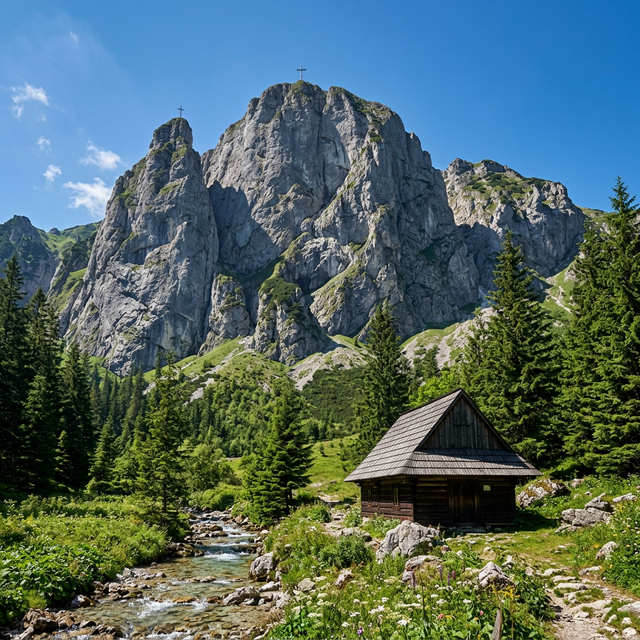
على المسار نفسه ستمر بـشلال سيكلافيكا المتدفق مباشرة من قلب جيوونت. مياهه في غاية النقاء والبرودة — أنقى المياه الجبلية في المنطقة. الوضوء هنا قبل الصعود أو بعد النزول تجربة روحية لا تُنسى: ماء بارد من كيلومترات في عمق الجبل يصل إليك في ثوانٍ. لا تفوّت هذا التحويل القصير (15 دقيقة ذهاباً وإياباً).
بيت الشاي في بولانا ستراجيسكا عند القاعدة يقدم خيارات نباتية: بطاطس مقلية (Frytki) وشاي بثمار الغابة. لا لحوم حلال متاحة. نوصي بحمل غداء حلال من بيتك لتناوله على صخور القمة البيضاء — الجلوس هناك مع وجبتك ومشاهدة شمس العصر تلون جدار جيوونت الشمالي هو تجربة تستحق كل ثانية من الصعود.
سارنيا سكالا من أفضل مسارات التاترا للعائلات — لا سلاسل حديدية، لا قمم مكشوفة، لا خطر انزلاق جليدي. الأطفال من عمر 7 سنوات فأكثر يستمتعون بالقمة بأمان تام. وادي ستراجيسكا السفلي ممتاز لعربات الأطفال حتى بيت الشاي (4 كم مسطحة).
البانوراما: وجهاً لوجه مع الفارس النائم
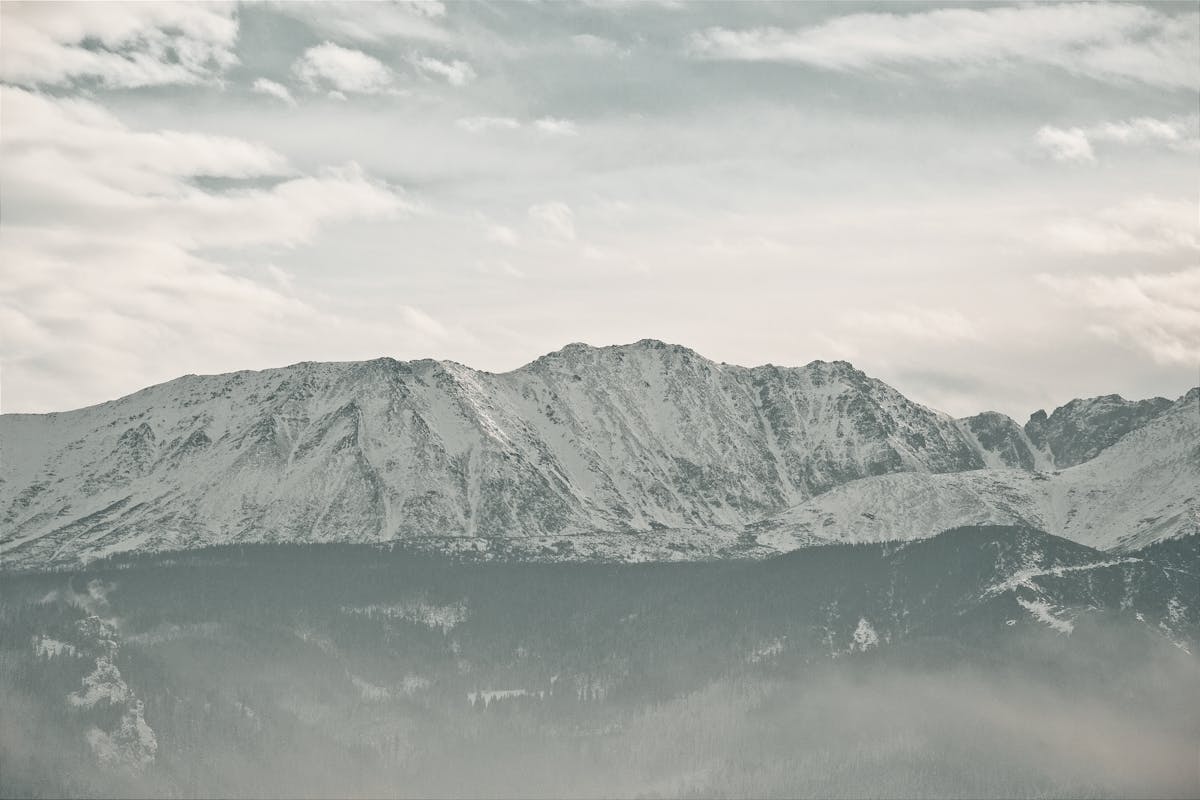
التجربة البصرية المحورية في سارنيا سكالا هي المواجهة المباشرة مع جيوونت. من هذه الزاوية تدرك الحجم الحقيقي لـ"الفارس النائم": 600 متر انحدار عمودي من القمة إلى قاعدة الوادي — واحدة من أكبر الانحدارات الرأسية في بولندا. يمكنك رؤية مسار الغورال المتعرج بوضوح، والصليب الحديدي الشهير على القمة يبدو في متناول يدك.
في الاتجاه الشمالي، تنكشف مدينة زاكوباني بالكامل تحت قدميك كخريطة حية: شارع كروبوفكي، قفازة القفز، أحياء المدينة كلها ضمن إطار من تلال غوبالوفكا المتدحرجة.
نصيحة التصوير: ضوء ما بعد الظهيرة (بين 3-5 عصراً) يضرب الجدار الشمالي لجيوونت بشكل مثالي، يبرز كل شق وكل منحدر بخطوط ظلية درامية. عدسة واسعة الزاوية (16-24مم) ضرورة لالتقاط عرض الجبل الكامل في صورة واحدة.
الحياة البرية: الصقر ومستعمرة الجرابيع
غابات المنطقة المحيطة بالممر الأحمر هي أرض صيد مفضلة لـالصقر الشمالي (Northern Goshawk) — أحد أقوى صقور التاترا. هذه الطيور تستخدم التيارات الهوائية الصاعدة من جدار جيوونت لاكتساب الارتفاع، ثم تنقضّ بسرعة مذهلة داخل الغابة.
في المروج العالية الأكثر هدوءاً، ابحث عن جرابيع التاترا (Świstak). رغم أن موطنها الرئيسي التاترا العالية، إلا أن مستعمرة صغيرة استوطنت الأخاديد الهادئة المحيطة بكتلة سارنيا سكالا. ستسمع صفيرها التحذيري الحاد قبل أن تراها — ثم تلمح رأساً بنياً مستديراً يختفي بسرعة خاطفة بين الصخور.
في الفجر المبكر في وادي ستراجيسكا السفلي، كثيراً ما ترى الغزلان الحمراء تعبر الجداول — مشهد سحري يجعل الصعود المبكر قبل الشروق يستحق كل جهد.
الحلقة الكبرى: أربعة فصول في رحلة واحدة
للاستمتاع بكامل تنوع هذا المشهد، نوصي بالحلقة الكاملة بدلاً من الصعود والنزول من نفس الطريق:
-
١
الصعود عبر وادي ستراجيسكا: مشي لطيف 40 دقيقة عبر قاع واد واسع مع جدول رفيق على جانب المسار — مسطح ومريح حتى بيت الشاي.
-
٢
تحويل شلال سيكلافيكا: انحراف 15 دقيقة لرؤية الماء يتدفق من صدر جيوونت العملاق — ووضوء نقي لا مثيل له.
-
٣
الصعود عبر الممر الأحمر إلى القمة: التسلق الرئيسي — صخور جيرية بيضاء، زاوية معتدلة، منظر يتفتح تدريجياً حتى الانكشاف التام على القمة.
-
٤
النزول عبر وادي بيالو (الأبيض): واد أضيق وأكثر وحشية، بجدول جبلي كريستالي يسير معك طوال الطريق خلال أخدود حجري أبيض مذهل.
الأمان: الحجر الجيري المصقول
قمة سارنيا سكالا مصنوعة من حجر جيري مصقول بملايين الزيارات على مدى 150 سنة. في بعض البقع الحجر أملس كالزجاج تماماً — حتى في يوم جاف. انتبه بشكل خاص عند التصوير: كثير من الحوادث تقع عندما يصطدم شخص بالحجر وهو منشغل بضبط زاوية كاميرته.
أحذية تسلق بنعل من نوع فيبرام ضرورة مطلقة لهذا المسار. أحذية الرياضة العادية أو الصنادل خطيرة على الصخور المصقولة عند وجود ريح. على الحافة الشمالية الشاهقة — ابقَ على مسافة أمان خاصة في الرياح، ولا تجلس على الحافة للتصوير.
سر محلي
في طريق النزول عبر وادي بيالو (الأبيض)، ستجد جسراً خشبياً صغيراً حيث يصنع الجدول سلسلة من الشلالات الصغيرة المتتالية. توقف هنا لأداء الوضوء — الماء بارد كالثلج ونقي بشكل لا يصدق، ومنعش بعد تعب الرحلة. إنه أحد أجمل أماكن الوضوء في التاترا كلها.