The Broad Shoulders of Małołączniak
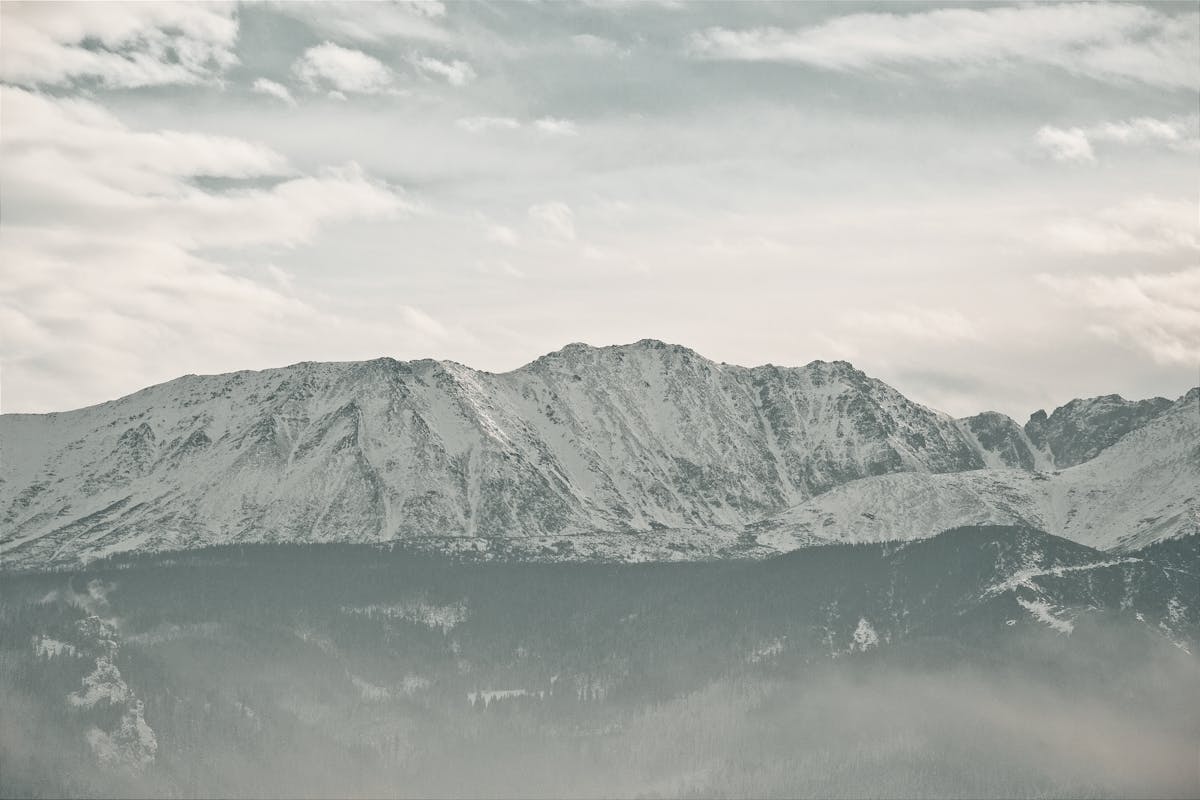
Małołączniak (2,096m) is the central anchor of the Czerwone Wierchy (Red Peaks) traverse.
It is famous among local hikers for its massive, sprawling summit plateau—one of the widest and flattest high-altitude areas in the entire Tatra National Park. Standing in the center of the peak feels less like balancing on a mountain and more like walking across a sky-high football field. Because of its central location, it provides entirely uninterrupted views. Looking north, you peer down directly into the deep, dark spruce forests of the Mała Łąka Valley. Looking south across the border into Slovakia, the imposing, ragged granite spires of the High Tatras dominate the horizon.
1. The "Red Ridge" Phenomenon
The Czerwone Wierchy (Red Peaks) gets its name from a specific species of alpine grass called **Sit skucina** (*Juncus trifidus*). While it remains green throughout the summer, the first hints of autumn frost in late August trigger a chemical change in the grass. It turns from a vibrant green to a deep, rusty crimson and then to a brilliant copper. Because Małołączniak has the widest grassy plateau of the four peaks, this effect is most dramatic here. In the late afternoon "Golden Hour," the entire summit seems to glow like it is on fire—a sight that has inspired Goral poets and artists for centuries.
2. The Ascent: Kobylarzowy Żleb (The Chains)
While many hikers arrive at Małołączniak by traversing the ridge from Ciemniak or Kopa Kondracka, reaching it directly from the valley floor requires tackling the infamous **Kobylarzowy Żleb** (The Kobylarz Gully) via the blue trail. This steep, narrow limestone chute is a bottleneck that commands respect. Roughly two-thirds of the way up the gully, hikers must scramble up an 8-meter vertical rock step equipped with steel assistance chains. While the chains are not overly technical, the limestone rock here is polished to a glass-like smoothness by decades of hikers. When wet, this section becomes dangerously slippery. It is a true test of nerve for those who aren't used to technical scrambling, but the reward—emerging onto the vast, open Red Ridge—is unparalleled.
3. Historical Echoes: The High Shepherd Trails
The plateau of Małołączniak wasn't always just for hikers. Historically, this was one of the highest grazing grounds in the Tatras. Local shepherds would drive their sheep up the steep gullies to enjoy the nutrient-rich *Juncus* grass. You can still see "Stone Men" (Cairns) scattered off the main trail—ancient markers used by shepherds to find their way home in the thick, sudden fogs that frequent this peak. These mountain people lived a life of extreme hardship, sleeping in tiny stone shelters that have since been reclaimed by the mountain. Walking here is literally walking through the living history of the Zakopane region.
Małołączniak presents the same logistical challenges as the rest of the Red Peaks—utter isolation from facilities for the majority of the day.
- The Limestone Thirst: Ensure you bring at least 3 liters of water. The limestone bedrock is like a sponge; it absorbs all rainwater instantly into the deep cave systems below. You will not find a single drop of drinkable water between the valley floor and the summit. Plan your hydration carefully.
- The Infinite Prayer Mat: The immense summit plateau of Małołączniak is one of the most peaceful spots in the range. You can walk 100 meters off the main path and be in total solitude. It is an ideal location for Dhuhr or Asr prayer, where the only sound is the wind and the distant cry of a hawk.
- Fog Navigation: If clouds roll in, do not leave the marked path. The "football field" plateau becomes an easy place to lose your bearing. Stay focused on the trail markers painted on the rocks.
4. Wildlife: The Spotted Nutcracker
As you ascend the lower slopes toward the ridge, keep an eye out for the **Spotted Nutcracker** (*Orzechówka*). This striking bird, with its chocolate-brown feathers and white spots, is the gardener of the Tatras. It feeds on the seeds of the stone pine and the Swiss pine, often burying them for winter storage. The seeds they forget often grow into the next generation of trees. Near the summit of Małołączniak, you might also spot the **Alpine Accentor**, a tiny bird that seems remarkably unafraid of humans, often hopping right up to your boots to investigate.
5. Below the Surface: The Great Snowy Abyss
Unbeknownst to most hikers walking on the summit crust, they are standing directly over the **Jaskinia Wielka Śnieżna** (Great Snowy Cave), the longest and deepest cave system in Poland. The massive limestone block of Małołączniak is effectively a giant, hollow honeycomb. The deepest known point of the cave sits over 800 meters beneath the summit, dropping in a series of terrifying vertical shafts. While these caves are strictly for professional explorers, the knowledge of this vast darkness beneath your feet adds a metaphysical weight to the experience of standing in the bright alpine sun.
Local Secret
The Kobylarz Gully chains can be intimidating, but my secret here is the approach. When you hit the polished limestone section before the chains, stick strictly to the extreme right side of the wall. There's a set of natural "staircase" ledges hidden close to the rock face that are rarely slick, unlike the polished groove in the middle. It makes the climb 50% easier! Also, late September is the defining time to visit here when the *Sit skucina* grass turns an incredibly vibrant crimson red — you literally feel like you're walking on Mars!