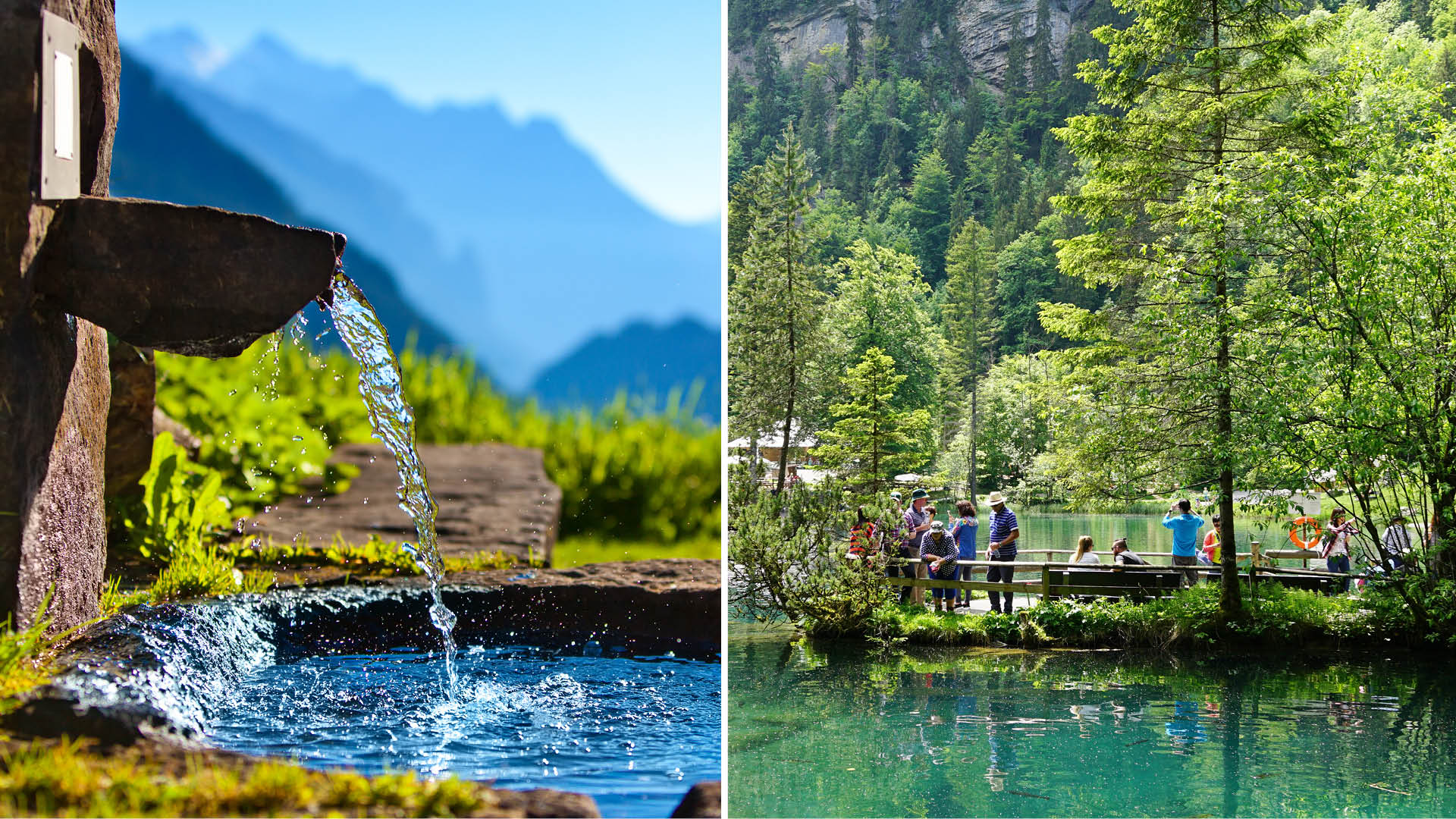
O ne of the most common questions tourists have when arriving in a new country is about the safety of drinking tap water. If you are planning a trip to the magnificent Tatra mountains, you'll be glad to know the answer regarding Zakopane.
The short answer is: Yes, you can drink tap water in Zakopane.
Thanks to modernization over the last few decades, strict European Union regulations, and the town's unique geographical location, the water flowing from the taps in Zakopane is not only safe but also clean and rich in natural minerals.
Where Does the Water Come From?
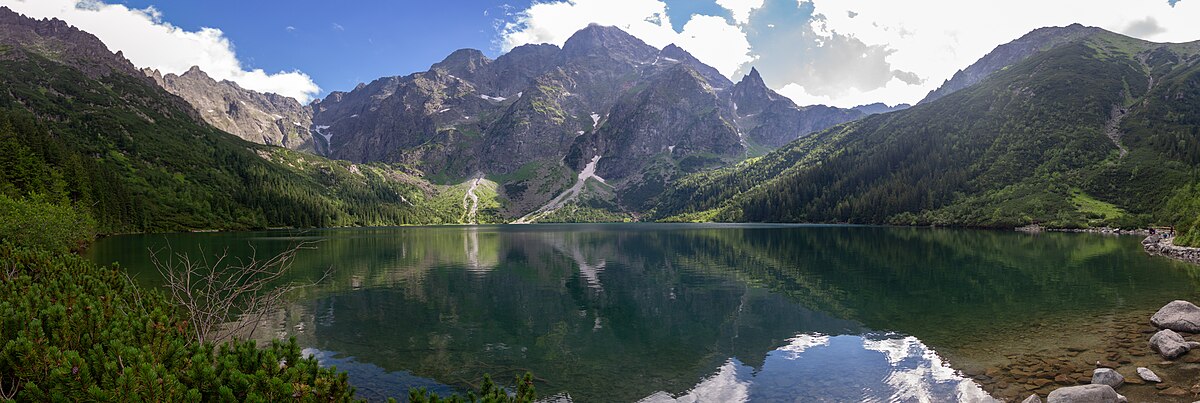
Unlike large cities that rely on complex filtration systems to clean river water, Zakopane enjoys a massive geographical advantage. Most of the town's municipal water supply comes directly from mountain springs, deep underground aquifers, and groundwater surrounding the Tatra Mountains.
This natural sourcing means the water requires far less chemical treatment (like chlorine) compared to cities like Warsaw or Krakow. The rocks of the Tatra National Park act as a massive, natural filter, providing Zakopane with very fresh and crisp water.
Quality and Safety Standards
Did You Know?
Poland's tap water quality has improved dramatically and now strictly adheres to EU drinking water standards. Local authorities in Zakopane test the water quality daily to ensure it is free from harmful bacteria, heavy metals, and contaminants.
There have been numerous public campaigns across Poland encouraging residents to ditch bottled water in favor of tap water, colloquially known as 'kranówka'. Establishments and restaurants are increasingly serving carafes of tap water upon request.
Things to Keep in Mind (The Exceptions)
While the municipal water supply is pristine, there are two minor factors to consider before you fill your glass:
- Old Plumbing: If you are staying in a very old traditional wooden chalet that hasn't been renovated recently, the old pipes might slightly affect the water's taste. In modern hotels or renovated luxury chalets, this is not an issue at all.
- Private Wells: If your accommodation is located far out in rural villages surrounding Zakopane, they might rely on an independent private well. While usually perfectly safe, well water isn't monitored as frequently as the municipal supply. It is always polite to ask your host: "Czy woda z kranu jest zdatna do picia?" (Is the tap water safe to drink?).

Bottled Water vs. Tap Water
Even though tap water is safe, you will still see supermarkets heavily stocked with bottled water. Why? Generally, it comes down to taste preferences and carbonation. Polish people love drinking sparkling mineral water (woda gazowana).
If you prefer to buy bottled water, Poland offers some of the best high-mineral waters in Europe (look for brands like Muszynianka or Cisowianka). However, if you are simply looking for still water to stay hydrated during your family hikes or for making a cup of tea, the tap water is an excellent, free, and eco-friendly choice.
Tips for Muslim Travelers ??
- For Wudhu: Since the tap water is pure and clean, it is perfect for Wudhu. Just be mindful that in winter, the cold water straight from the mountain pipes can be freezing cold!
- Hiking Hydration: When preparing for your hike to Kasprowy Wierch or other trails, simply fill up your reusable water bottles at your hotel sink. It saves money, reduces plastic waste, and the water stays crisp and cold.
- Baby Formula: If you are traveling with infants, boiling the tap water first is always recommended as an extra precaution before mixing baby formula, just as you would anywhere else.
Stream Water in the Tatras: Is It Safe for Wudu?
A question that comes up regularly among Muslim hikers: can the crystal-clear streams in the Tatra Mountains be used for Wudu? The answer is generally yes, the Tatra mountain streams are fed by snowmelt and spring water filtering through limestone, making them exceptionally pure by any measure. However, a few practical points are worth knowing. Streams higher in the mountains (above the treeline, above any human settlements) are essentially pristine. Lower down, near popular hiking areas, livestock grazing in the meadows can occasionally affect the microbiology of the water. For Wudu purposes, the water is considered clean (tahir) under normal conditions in the upper and mid-mountain zones. Many experienced Muslim hikers in the Tatras use the stream water for Wudu without any issues.
If you wish to be cautious, bring a small personal water filter (such as a LifeStraw or Sawyer filter) in your daypack, these weigh almost nothing and allow you to use any mountain water with complete confidence. For drinking and cooking back at the chalet, the municipal tap water is your most convenient and reliable source.
Best Polish Bottled Water Brands
If you prefer bottled water during your stay, Poland produces some of the finest mineral water in Europe, sourced from the Carpathian mountains. Here is what to look for in Zakopane supermarkets:
- Muszynianka: Sourced from Muszyna, just 40km from Zakopane. Naturally sparkling with high mineral content. Excellent for digestion and hydration during high-altitude hiking.
- Cisowianka: A still mineral water from the Lublin uplands. Light, clean taste. The most commonly recommended brand by Polish dieticians for daily hydration.
- Krynica: From the spa town of Krynica Zdrój, 50km from Zakopane. Naturally carbonated with a distinctive mineral taste. Available in sparkling and still versions.
- Zywiec Zdrój: From the town of Zywiec in the Beskid mountains. The lightest and most neutral taste, good for mixing with baby formula or for those who prefer a gentle mineral water.
All bottled waters in Polish supermarkets are clearly labeled with mineral content. None contain alcohol, artificial additives, or any non-halal ingredients. Cost is very reasonable: 1.5 litre bottles typically cost 2-4 PLN at Biedronka or Lidl.