Yes — Zakopane is safe for Muslim tourists. Poland ranks among the lower-crime countries in Europe, and Zakopane is one of the country's most visited and tourist-adapted destinations. Muslim and Arab visitors have been coming here in large numbers for years, hijab is a common sight on Krupówki, and halal dining options continue to grow. There are real risks in Zakopane — but they come from the mountains, not from people.
Is Zakopane Safe for Muslim Tourists?
The short answer is yes, and it is worth unpacking what that means in practice. Zakopane is a mountain resort town of around 27,000 residents that swells to hundreds of thousands of visitors during summer and ski season. It is not a place where tourists feel surveilled or unwelcome — the local economy depends entirely on visitors, and Muslim tourists are a significant part of that.
Cultural Acceptance and Attitudes Toward Muslims
Poland is a predominantly Catholic country with limited ethnic and religious diversity outside the major cities — though Islam in Poland has roots going back over 600 years through the Polish Tatar community. In rural areas and small villages, Muslim visitors may attract curious looks — but there is a meaningful difference between unfamiliarity and hostility. In Zakopane specifically, a decade of Arab tourism has shifted the local business community toward genuine accommodation: menus with halal options, multilingual staff, and growing awareness of religious needs.
Based on traveller reports across multiple seasons, Muslim visitors to Zakopane consistently describe the experience as positive. Incidents of verbal or physical hostility targeting Muslim tourists are rare and not a documented pattern in the town.
How Does Zakopane Compare to Other European Destinations?
Zakopane is safer than most major Western European tourist cities from a crime perspective, and the social climate for Muslim visitors is broadly comparable to destinations in Eastern and Central Europe. It lacks the established Muslim infrastructure of a city like Istanbul or Dubai — there is no mosque in town, for example — but it makes up for this with natural beauty, growing halal dining, and a welcoming atmosphere that extends to modest dress and religious practice.
What Is the Crime Rate in Zakopane?
Zakopane has a low crime rate by European standards. Poland as a whole has one of the lower homicide rates in the EU, and Zakopane — as a well-resourced, high-visibility tourist town — has a visible police presence during peak season that further suppresses serious crime.
What Tourists Actually Encounter
- Pickpocketing in crowded sections of Krupówki in July and August is the most commonly reported issue. It is low-level and avoidable with basic precautions — secure bags, front pockets, awareness in tight crowds.
- Unlicensed taxis near the bus station sometimes charge inflated prices, particularly for the Morskie Oko route. Use the Uber app or confirm the fare before getting in.
- Overpriced street photography — costumed characters on Krupówki expect payment. Agree on a price before posing, or simply decline.
- Street games (shell games, three-card monte) are occasionally set up in tourist spots. They are rigged. Walk away.
Compared to Paris, Barcelona, or Rome, Zakopane is notably quieter in terms of tourist-targeted crime. Most visitors complete their entire stay without any incident worth mentioning.
Is Zakopane Safe at Night?
Yes. Krupówki — the town's main pedestrian thoroughfare — is busy, bright, and family-filled well into the evening during summer. Restaurants, ice cream stalls, and souvenir shops stay open late. The evening atmosphere is festive rather than edgy.
Zakopane does not have a nightlife district associated with the kind of behaviour that makes other tourist destinations uncomfortable after dark. There are bars, but the town's character skews toward families and outdoor enthusiasts, not nightclubs. This makes the evening environment particularly comfortable for Muslim visitors who prefer quieter social settings.
Is Zakopane Safe for Muslim Women Wearing Hijab?
Yes. This is one of the most common concerns among first-time Muslim visitors to Poland, and based on consistent traveller feedback, it turns out to be one of the least justified once on the ground.
Hijab on Krupówki and in Town
Hijab and niqab are fully legal in Poland. In Zakopane during summer, they are a familiar sight — particularly on and around Krupówki where the concentration of Arab tourists is highest. Shop staff, restaurant servers, and hotel receptionists are experienced with Muslim guests and behave accordingly.
Solo Travel and Hiking
Solo Muslim women regularly travel Zakopane without incident. The major hiking trails — Morskie Oko, Dolina Chochołowska, Strążyska Valley — are busy with families and tour groups throughout daylight hours, making them safe for solo walking. Modest athletic wear and sports hijab function perfectly on all Tatra trails. The hiking community in Poland is goal-oriented and not prone to engaging with strangers.
For remote or high-altitude routes, hiking with a companion is recommended — this is standard advice for all visitors, not a concern specific to Muslim women.
At the Thermal Baths
Zakopane's thermal baths (Chochołowskie, Bania) have separate changing facilities. Full-coverage swimwear is accepted without issue. Morning sessions are quieter for those who prefer less crowded pools. See our full comparison: Chochołowskie vs Bania thermal baths.
Mountain and Nature Safety in the Tatra Mountains
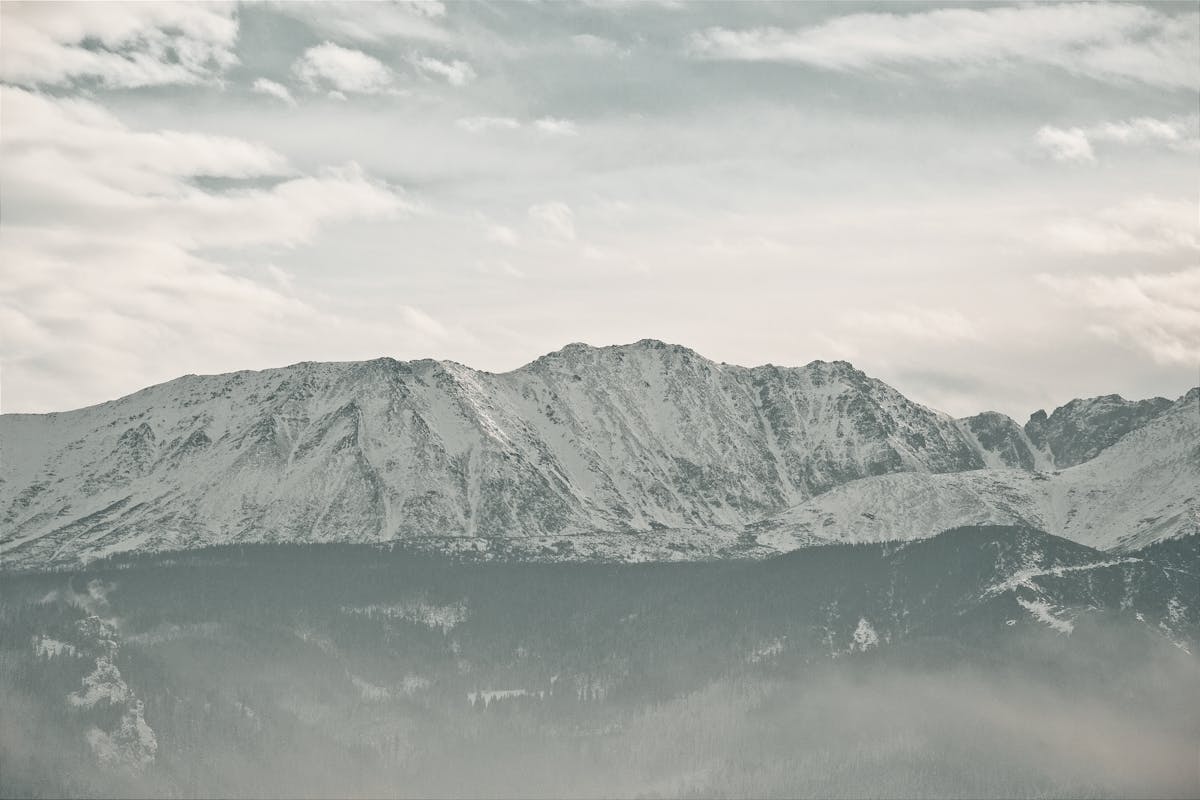
This is where the real risk in Zakopane lies. The Tatra Mountains are a genuine alpine environment reaching 2,499 metres. They look approachable from the town — and many trails are — but the weather operates by its own rules. TOPR (Tatra Mountain Rescue) performs hundreds of rescues annually, the majority involving visitors who underestimated how quickly conditions change.
The Thunderstorm Rule
Trail Difficulty — Honest Overview
The Polish trail system uses colour coding: green and blue are easy to moderate and suitable for most visitors; yellow and red are challenging and require proper footwear; black routes involve fixed chains and genuine alpine exposure. Morskie Oko is a paved, flat road walkable by almost anyone. Giewont summit requires chains near the top and is not suitable for casual walkers. Know your trail before you start.
Before Every Hike
- Check the official TOPR weather bulletin at topr.pl each morning
- Download offline trail maps (Mapy.cz) — mobile signal disappears above 1,500 m
- Install the free Ratunek app — it sends your GPS to rescuers automatically when you call 985
- Pack a waterproof jacket regardless of morning conditions
- Carry 1.5 litres of water per person
- Save mountain rescue on your phone: 601 100 300
- Tell your hotel your planned route and expected return time
Practical Safety Tips for Muslim Travellers
Verifying Halal Food
Zakopane's halal restaurant scene has expanded meaningfully, but traditional Polish cuisine contains hidden risks — lard in soups, pork stock in stews, and alcohol in sauces are common. Even dishes that appear meat-free may not be. Do not assume; ask directly.
- Ask: "Czy to jest halal?" (Is this halal?) — or show the screen
- Specify: "Bez wieprzowiny" (no pork) and "Bez alkoholu" (no alcohol)
- Use our verified halal restaurant directory to eat without guesswork
For a full breakdown of which traditional Polish dishes to avoid and why, see: Hidden non-halal ingredients in Polish food.
Communication
English is spoken by most younger staff in tourist-facing businesses on Krupówki. Polish phrases go a long way toward building rapport — see our complete Polish phrasebook for Muslim tourists, including all key halal food phrases with pronunciation guides.
Transport Safety
- Use the Uber app or licensed Radio Taxi services — rates are metered and transparent
- Avoid unlicensed drivers near the main bus station who approach proactively
- For Morskie Oko, note that private cars are not permitted on the road to the lake — a licensed bus or horse-drawn carriage from the car park is the official route
- Book cable car (Kasprowy Wierch) tickets online well in advance — summer queues without a booking can mean hours of waiting
Travel Insurance
Ensure your policy explicitly covers mountain rescue and helicopter evacuation. TOPR rescue operations can cost tens of thousands of PLN. Standard travel insurance frequently excludes this. Check the policy before you travel, not after an incident.
Plan Your Full Trip
Emergency Information in Poland
Hospital
The main hospital in Zakopane is Szpital Powiatowy im. dr Tytusa Chałubińskiego, ul. Kamieniec 10. The emergency department (Szpitalny Oddział Ratunkowy / SOR) operates 24 hours. Basic English is spoken. Follow signs for "SOR" on arrival.
Pharmacies
Several pharmacies (Apteka) operate on and around Krupówki. They can advise in basic English on minor ailments and stock common over-the-counter medications. EU citizens with an EHIC card have partial healthcare cover; visitors from outside the EU should carry adequate private health insurance.