M any Muslim travelers visiting Zakopane stick to Turkish kebabs because it's the safest 'halal' choice. But you're missing out on the soul of the Tatra Mountains! Polish cuisine has much more to offer that is naturally halal or easily customizable.
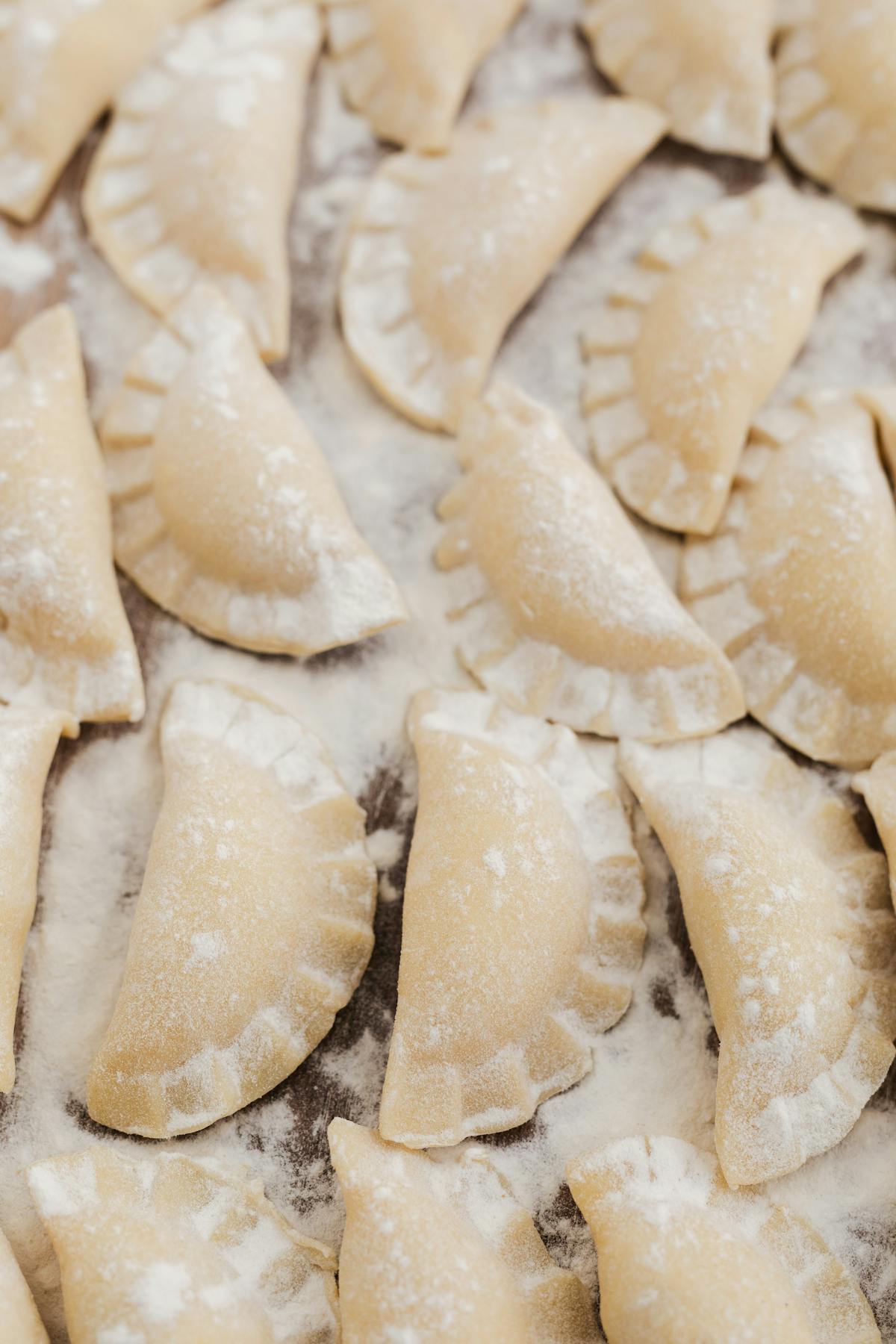
1. Pierogi: The Heart of Poland
Pierogi are filled dumplings, and they come in many varieties. For a guaranteed halal experience, look for:
- Pierogi Ruskie: Filled with farmer's cheese, potato, and fried onions. (Note: Ask if there is bacon 'smalec' mixed in, usually, it is just butter or oil).
- Sweet Pierogi: Filled with wild blueberries, strawberries, or cherries. Often served with sweet cream, perfect for kids!
- Cabbage & Mushroom: A traditional winter staple, naturally vegetarian and halal-friendly.
2. Mountain Trout (Pstrag)
Zakopane is famous for its fresh mountain trout, often farmed in clean, cold Tatra streams. It's almost always served grilled (z grilla) or baked with butter and herbs. It is 100% halal and deliciously healthy.
3. Oscypek: The Famous Sheep Cheese
You'll see small wooden stalls selling 'Oscypek' everywhere. This smoked cheese is made from sheep's milk. The traditional recipe uses rennet, but many modern versions use non-animal rennet. Check our detailed Oscypek report for more info.
Important Check: "Bez Boczku"
In Poland, many savory dishes are topped with 'Skwarki' (fried bacon bits). Always tell your waiter: "Poprosze bez boczku i bez skwarek" (Please, no bacon and no bacon bits).
Vegetarian naturally-halal soups
Try these traditional soups that are often made without meat:
-
Barszcz Czerwony: A clear, sweet-and-sour beet soup. Often served with 'uszka' (tiny dumplings).
-
Zupa Grzybowa: Forest mushroom soup. In the mountains, it's made with wild porcini (prawdziwki).
4. The Complete Dish-by-Dish Halal Guide
Polish cuisine is far richer and more subtle than most international visitors expect. Here is a complete breakdown of the most common dishes you will encounter in Zakopane, with a clear halal status for each:
Soups (Zupy)
Polish soups are generally hearty and satisfying. The good news is that many of the most traditional soups are naturally halal-safe. Barszcz Czerwony (clear beet soup) is made from fermented beet juice with no meat, it is often served at Christmas but available year-round. Zupa Grzybowa (wild mushroom soup) is a Tatra speciality and completely vegetarian. Zurek, the sour rye soup, is more complex, ask if it contains sausage (kielbasa), as this varies by restaurant. A meat-free version exists and is delicious served in a bread bowl. Grochówka (pea soup) traditionally contains smoked pork, best avoided unless confirmed halal.
Main Courses (Dania Glówne)
Placki Ziemniaczane (potato pancakes) are one of the safest and most delicious choices. Pan-fried in oil or butter, these crispy potato cakes are served with sour cream and are universally available. They are naturally pork-free and loved by children. Pstrag z Grilla (grilled mountain trout) is another excellent choice, fresh, clean, and simple. In the Tatra region, trout is farmed locally in pure mountain water and features on nearly every restaurant menu. Just ask that it is cooked in butter or olive oil rather than lard (smalec). Kopytka are Polish potato dumplings similar to Italian gnocchi, served with cheese and butter, they are a safe and filling vegetarian option. Always confirm no bacon topping (bez boczku).
Highland Specialties (Potrawy Góralskie)
The Podhale highlands have their own culinary traditions quite distinct from mainstream Polish food. Moskol is a traditional highland dish, a thick potato cake topped with sheep's cheese (bryndza) and sometimes sour cream. It is completely vegetarian and a must-try. Kwasnica (sour cabbage soup) is the ultimate highland dish, made from sauerkraut, potatoes, and various root vegetables. The traditional recipe uses smoked pork ribs for depth, so always ask for the meatless version (bez miesa wieprzowego). Many restaurants in Zakopane now offer vegetarian kwasnica, as Arab tourists have made this a common request. Grillowany Oscypek (grilled sheep cheese) is the Highland snack par excellence, golden, squeaky, delicious. Served with cranberry sauce at almost every highland restaurant. See our separate Oscypek Halal Report for details on the rennet question.
Desserts & Pastries (Desery)
Polish desserts are among the best in Eastern Europe and are almost universally pork-free. Szarlotka (apple pie) is the national dessert, served warm with whipped cream or ice cream. Makowiec (poppy seed roll) is a traditional pastry that is naturally vegan. Paczki (Polish doughnuts) are deep-fried with a rose jam filling, check for lard in the frying oil (some traditional recipes use smalec, though vegetable oil is increasingly common). Lody (ice cream) is widely available in artisan ice cream shops on Krupówki, many use vegetarian gelato bases.
| Dish | Halal Status | Notes |
|---|---|---|
| Pierogi Ruskie | ? Safe | Ask for no bacon topping (bez boczku) |
| Sweet Pierogi (fruit) | ? Safe | Always halal-safe |
| Barszcz Czerwony | ? Safe | Vegetarian beet soup |
| Grilled Mountain Trout | ? Safe | Request butter not lard |
| Moskol | ? Safe | Highland potato cake, vegetarian |
| Grillowany Oscypek | ? Check | Animal rennet question, see Oscypek guide |
| Zurek (sour rye soup) | ? Ask | Request meatless version (bez kielbasy) |
| Bigos (hunters stew) | ? Avoid | Contains smoked pork |
| Any dish with Smalec | ? Avoid | Smalec = rendered pork fat |
Key Phrases for Dining Safely
Without bacon and bacon bits
Is this halal?
I do not eat pork
Fried in oil, not lard
Final Advice for Confident Dining
Polish cuisine rewards confident curiosity. The more you know about traditional highland cooking and its roots in simple, honest ingredients, the easier it is to identify the genuinely safe options from those that require caution. Do not be afraid to ask kitchen staff about preparation methods, in Zakopane, where the restaurant trade is heavily tourist-facing, many staff understand the question and will answer it honestly. The goal is not to avoid Polish food, but to enjoy it fully and on your own terms.